Showing posts with label Policy. Show all posts

Sunday, January 03, 2016

International Year of Pulses 2016

The 68th UN General Assembly declared 2016 the International Year of Pulses (IYP) (A/RES/68/231)
The Food and Agriculture Organization of the United Nations (FAO) has been nominated to facilitate the implementation of the Year in collaboration with Governments, relevant organizations, non-governmental organizations and all other relevant stakeholders.
The IYP 2016 aims to heighten public awareness of the nutritional benefits of pulses as part of sustainable food production aimed towards food security and nutrition. The Year will create a unique opportunity to encourage connections throughout the food chain that would better utilize pulse-based proteins, further global production of pulses, better utilize crop rotations and address the challenges in the trade of pulses.

What are pulses and why are they important?Pulses are annual leguminous crops yielding between one and 12 grains or seeds of variable size, shape and colour within a pod, used for both food and feed. The term “pulses” is limited to crops harvested solely for dry grain, thereby excluding crops harvested green for food, which are classified as vegetable crops, as well as those crops used mainly for oil extraction and leguminous crops that are used exclusively for sowing purposes (based on the definition of “pulses and derived products” of the Food and Agriculture Organization of the United Nations).
Pulse crops such as lentils, beans, peas and chickpeas are a critical part of the general food basket. Pulses are a vital source of plant-based proteins and amino acids for people around the globe and should be eaten as part of a healthy diet to address obesity, as well as to prevent and help manage chronic diseases such as diabetes, coronary conditions and cancer; they are also an important source of plant-based protein for animals.
In addition, pulses are leguminous plants that have nitrogen-fixing properties which can contribute to increasing soil fertility and have a positive impact on the environment.
The IYP website will be the main platform to share information and relevant resources with different partners. The current version will be updated soon, please come back for more information.

Source:

Wednesday, October 28, 2015

Sergio Núñez De Arco: Creating a New Staple

In November 2013, Time magazine devoted a cover story to “thirteen gods of food... people who influence what (and how) you eat.” Among the top-flight chefs, food activists, and cookbook authors was Sergio Núñez de Arco, an energetic, 40-year-old Bolivian-born entrepreneur who makes his home in the Bay Area. Time grandly dubbed him the “king of quinoa,” but Núñez prefers a broader identification. Although he makes his living as a distributor of this ancient pseudo-grain (it is in the goosefoot plant family, which includes beetroot and spinach), he is also, and more proudly, a champion of the indigenous people of his homeland who have raised this ultranutritious, gluten-free, biodiverse crop for centuries. And now their traditional knowledge, boosted by modern technology and market forces, is providing 45,000 Bolivian farm families a better life.

Source:

Tuesday, October 14, 2014

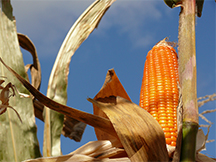
Natural gene selection can produce orange corn rich in provitamin A for Africa, U.S.

Purdue researchers have identified a set of genes that can be used to naturally boost the provitamin A content of corn kernels, a finding that could help combat vitamin A deficiency in developing countries and macular degeneration in the elderly.
Professor of agronomy Torbert Rocheford and fellow researchers found gene variations that can be selected to change nutritionally poor white corn into biofortified orange corn with high levels of provitamin A carotenoids - substances that the human body can convert into vitamin A. Vitamin A plays key roles in eye health and the immune system, as well as in the synthesis of certain hormones.
"This study gives us the genetic blueprint to quickly and cost-effectively convert white or yellow corn to orange corn that is rich in carotenoids - and we can do so using natural plant breeding methods, not transgenics," said Rocheford, the Patterson Endowed Chair of Translational Genomics for Crop Improvement.
Vitamin A deficiency causes blindness in 250,000 to 500,000 children every year, half of whom die within a year of losing their eyesight, according to the World Health Organization. The problem most severely affects children in Sub-Saharan Africa, an area in which white corn, which has minimal amounts of provitamin A carotenoids, is a dietary mainstay.
Insufficient carotenoids may also contribute to macular degeneration in the elderly, a leading cause of blindness in older populations in Europe and the U.S.
Identifying the genes that determine carotenoid levels in corn kernels will help plant breeders develop novel biofortifed corn varieties for Africa and the U.S. The dark orange color of these corn varieties also makes them more culturally acceptable to consumers in African countries where yellow corn is generally fed only to animals, Rocheford said.
Previous research by Rocheford and his colleagues identified two genes that contribute to provitamin A carotenoid levels in corn kernels, but "we wanted more cookies in the jar for breeders to pick from," he said.
The researchers used a combination of statistical analysis and prediction models to identify and assess the potential usefulness of genes associated with carotenoid levels in corn. They evaluated data sets from about 200 genetically diverse lines of corn at varying scopes of investigation - from the entire corn genome to stretches of DNA surrounding small sets of genes. They uncovered four genes that had not previously been linked to carotenoid levels in corn kernels.
Though many genes likely contribute to carotenoid levels in corn, "we're pretty confident that our previous and current research has now identified several genes that are the major players," Rocheford said.
Their study found that a combination of visually selecting corn with darker orange kernels and using a number of these favorable genes could be an effective way to rapidly convert white and yellow corn varieties to orange corn with higher levels of provitamin A and total carotenoids.
"We now have the genetic information needed to begin developing a major public-private sector collaboration with the goal of providing orange corn with high levels of provitamin A to farmers throughout Sub-Saharan Africa," he said.
The study also showed that using a more targeted approach to predicting the usefulness of a small set of genes was as effective as evaluating the whole corn genome, said Brenda Owens, doctoral candidate and first author of the study.
"Having this smaller list of genes to select for means that we can make the improvement of carotenoid levels in corn a simpler, faster process for plant breeders," she said.
Their research - in collaboration with HarvestPlus and the International Maize and Wheat Improvement Center, also known as CIMMYT - has yielded varieties of orange corn with markedly higher amounts of provitamin A carotenoids. But further efforts to produce even higher levels will be necessary to offset degradation of nutrients after harvest and reduce the amount of corn African consumers would need to eat to attain enough provitamin A, Rocheford said.
Varieties of orange corn are currently being grown in Zambia, Zimbabwe, Nigeria and Ghana. An open-pollinated variety of orange corn could be available for organic and local grower operations in the U.S. by 2016, he said.
The paper was published online in Genetics and is available at http://www.genetics.org/content/early/2014/09/25/genetics.114.169979.full.pdf+html
A video presentation of Rocheford discussing the research behind biofortified orange corn and its implications is available athttp://docs.lib.purdue.edu/dawnordoom/2014/presentations/11/
Funding for the research was provided by the National Science Foundation; HarvestPlus; Purdue University startup and Patterson Chair funds; the U.S. Department of Agriculture-Agricultural Research Service; Cornell University startup funds; a U.S. Department of Agriculture National Needs Fellowship; and a Borlaug Fellowship.

ABSTRACT
A foundation for provitamin A biofortification of maize: genome-wide association and genomic prediction models of carotenoid levels
Brenda F. Owens 1; Alexander E. Lipka 2; Maria Magallanes-Lundback 3; Tyler Tiede 1; Christine H. Diepenbrock 4; Catherine B. Kandianis 3, 4; Eunha Kim 3; Jason Cepela 5; Maria Mateos-Hernandez 1; C. Robin Buell 1; Edward S. Buckler 2, 4, 6; Dean DellaPenna 3; Michael A. Gore 4; Torbert Rocheford 1

1 Purdue University, Department of Agronomy, West Lafayette, IN 47907
2 Cornell University, Institute for Genomic Diversity, Ithaca, NY 14853
3 Michigan State University, Department of Biochemistry and Molecular Biology, East Lansing, MI 48824
4 Cornell University, Department of Plant Breeding and Genetics, Ithaca, NY 14853
5 Michigan State University, Department of Plant Biology, East Lansing, MI 48824
6 United States Department of Agriculture-Agricultural Research Service (ARS), Robert W. Holley Center for Agriculture and Health, Ithaca, NY 14853

Efforts are underway for development of crops with improved levels of provitamin A carotenoids to help combat dietary vitamin A deficiency. As a global staple crop with considerable variation in kernel carotenoid composition, maize (Zea mays L.) could have widespread impact. We performed a genome-wide association study (GWAS) of quantified seed carotenoids across a panel of maize inbreds ranging from light yellow to dark orange in grain color to identify some of the key genes controlling maize grain carotenoid composition. Significant associations at the genome-wide level were detected within the coding regions of zep1 and lut1, carotenoid biosynthetic genes not previously shown to impact grain carotenoid composition in association studies, as well as within previously associated lcyE and crtRB1 genes. We leveraged existing biochemical and genomic information to identify 58 a priori candidate genes relevant to the biosynthesis and retention of carotenoids in maize to test in a pathway-level analysis. This revealed dxs2 and lut5, genes not previously associated with kernel carotenoids. In genomic prediction models, use of markers that targeted a small set of quantitative trait loci (QTL) associated with carotenoid levels in prior linkage studies were as effective as genome-wide markers for predicting carotenoid traits. Based on our GWAS, pathway-level analysis, and genomic prediction studies, we outline a flexible strategy involving use of a small number of genes that can be selected for rapid conversion of elite white grain germplasm, with minimal amounts of carotenoids, to orange grain versions containing high levels of provitamin A.

Source:

Sunday, October 05, 2014

The future of global agriculture may include new land, fewer harvests

Climate change may expand suitable cropland, particularly in the Northern high latitudes, but tropical regions may becoming decreasingly suitable.

Most of the Earth's accessible agricultural land are already under cultivation. Ecological factors such as climate, soil quality, water supply and topography determine the suitability of land for agriculture. Climate change may impact global agriculture, but some regions may benefit from it. In a new study, researchers focused on the probable impact of climate change on the supply of land suitable for the cultivation of the 16 major food and energy crops worldwide, including staples such as maize, rice, soybeans and wheat. They simulated the impact of climate change on agricultural production over the course of the 21st century and found that two-thirds of all land potentially suitable for agricultural use is already under cultivation.
The results indicate that climate change may expand the supply of cropland in the high latitudes of the Northern hemisphere, including Canada, Russia, China, over the next 100 years. However, in the absence of adaptation measures such as increased irrigation, the simulation projects a significant loss of suitable agricultural land in Mediterranean regions and in parts of Sub-Saharan Africa. The land suitable for agricultural would be about 54 million km2 -- and of this, 91% is already under cultivation. "Much of the additional area is, however, at best only moderately suited to agricultural use, so the proportion of highly fertile land used for crop production will decrease," says Zabel. Moreover, in the tropical regions of Brazil, Asia and Central Africa, climate change will significantly reduce the chance of obtaining multiple harvests per year.
"In the context of current projections, which predict that the demand for food will double by the year 2050 as the result of population increase, our results are quite alarming. In addition, one must consider the prospect of increased pressure on land resources for the cultivation of forage crops and animal feed owing to rising demand for meat, and the expansion of land use for the production of bioenergy," says Zabel.

Source:http://www.sciencedaily.com/

Florian Zabel, Birgitta Putzenlechner, Wolfram Mauser. Global Agricultural Land Resources – A High Resolution Suitability Evaluation and Its Perspectives until 2100 under Climate Change Conditions. PLoS ONE, 2014; 9 (9): e107522 DOI: 10.1371/journal.pone.0107522

Wednesday, June 25, 2014

BT crops: To plant or not to plant

Scientists, through genetic engineering, have taken the Bt gene responsible for the production of the insecticidal protein from the bacterium and incorporated it into the genome of plants. As such, the plants have a built-in mechanism of protection against targeted pests.
Aside from corn, Bt is also introduced in cotton, poplar, potato, rice, soybean, tomato, and more recently eggplant. “The protein produced by the plants does not get washed away, nor is it destroyed by sunlight,” said a briefing paper published by the Global Knowledge Center on Crop Biotechnology. “The plants are protected from the insects round the clock regardless of the situation.”
Since Bt crops are able to defend themselves against pests, the use of chemical insecticides is significantly reduced. A study conducted by the United States Department of Agriculture showed that 8.2 million pounds of pesticide active ingredients were eliminated by the farmers who planted Bt crops in 1998.
“Aside from being effective against insect pests, Bt crops have lower incidences of opportunistic microbial pathogens, such as the fungus Fusarium,” the briefing paper said. “This fungus produces mycotoxins that can be deadly to livestock and also cause cancer in humans.”
The briefing paper shares this information on how Bt operates: “When ingested by larva of the target insect, the Bt protein is activated in the gut’s alkaline condition and punctures the mid-gut leaving the insect unable to eat. The insect dies within a few days.”
It is for this reason why much research has been done to exploit the organism’s agronomic value. To date, there are more than 200 types of Bt proteins identified with varying degrees of toxicity to some insects.
The International Service for the Acquisition of Agri-Biotech
Applications (Isaaa) recently released a report which indicates more than 18 million farmers in 27 countries planted biotech crops in 2013, reflecting a five million, or three percent, increase in global biotech crop hectarage.
“Accumulated hectarage of biotech crops planted worldwide to-date stands at 1.6 billion hectares or 150 percent of the total landmass of China,” said Clive James, author of the report and ISAAA Founder and Chairman Emeritus.
In Asia, Bt corn is now planted not only in the Philippines but also in China, Indonesia, Japan, Malaysia, South Korea, and Taiwan. It is also grown in the United States, Canada, Switzerland, and in some parts of South America and Africa.
But there are some issues against Bt crops. Critics claim that Bt proteins could target predatory and other beneficial or harmless insects as well as the targeted pest. The University of California reported that the Bt proteins have been used as organic sprays for insect control in France since 1938 and the USA since 1958 with no ill effects on the environment reported.
“The specificity of Bt for its target insects is one of the characteristics that make it an ideal method of biological pest control,” the briefing paper explained. “The specificity rests on the fact that the toxicity of the Bt protein is receptor-mediated. This means that for an insect to be affected by the Bt protein, it must have specific receptor sites in its gut where the proteins can bind. Fortunately, humans and majority of beneficial insects do not have these receptors.”
A 1999 study, which appeared in Nature, showed that in a lab environment, pollen from Bt corn dusted onto milkweed could harm the monarch butterfly. Several groups later studied the phenomenon in both the field and the laboratory, resulting in a risk assessment that concluded that any risk posed by the corn to butterfly populations under real-world conditions was negligible, according to a study published in the Proceedings of Natural Academy Science.
A 2002 review of the scientific literature also concluded that “the commercial large-scale cultivation of current Bt–maize hybrids did not pose a significant risk to the monarch population” to quote a study entitled, “The case of the monarch butterfly: a verdict is returned,” which appeared in Trends Genet.
What about among human beings? The US Environment Protection Agency has reportedly administered toxicology assessments. Bt proteins have already been tested even at relatively higher dosages.
According to the Extension Toxicology Network (Extonet), a pesticide information project of several universities in the US, “no complaints were made after 18 humans ate one gram of commercial Bt preparation daily for five days, on alternate days… Humans also ate one gram per day for three consecutive days were not poisoned or infected.”
On tests conducted on dogs, guinea pigs, rats, fish, frogs, salamanders and birds, the Bt protein was found not to have any harmful effects. What was interesting about the study was that the no toxic effects were found on beneficial or predator insects, such as honeybees and lady beetles, Extonet reports.
The ISAAA claimed that Bt crops have benefitted food security, sustainability and the environment. “Between 1996 and 2012, biotech crops have made positive contributions through decreased production costs and increased productivity (estimated at 377 million tons) valued at US $117 billion,” it reported.
Its environmental benefits included: eliminating the need for 497 million kilograms of pesticides; reducing carbon dioxide emissions by 27 billion kilograms in 2012 alone (equivalent to removing 12 million cars from the road for one year); and conserving biodiversity by saving 123 million hectares of land from being placed in agricultural production during the period 1996 to 2012.
“Bt crops are an addition to our arsenal against plant pests,” the briefing paper concludes. “With an increasing population and decreasing arable land, it is necessary to exploit all options with as little compromise to produce more crops. When used side by side with proper agricultural practices, Bt insect resistance technology can bring many benefits to crops, farmers, and consumers alike.”

Source:

Monday, July 08, 2013

Biodiversity and Andean grains: balancing market potential and sustainable livelihoods

The publication aims at shedding light on the use, nutritional properties, market potential and contribution to local livelihoods of Andean grains (quinoa, cañahua and amaranth). It addresses some of the research gaps regarding knowledge of the use, as well as the market and non-market value of these crops and their associated traditional knowledge, taking into account local livelihood assets of people living in difficult environments. It also investigates what effects the change from subsistence to market production has on farming communities and their environment. It is hoped that this book, which focuses in particular on quinoa in Southern Bolivia, will be helpful in providing food for thought in the occasion of the UN 2013 International Year of Quinoa, and serve at the same time as guidance for the future promotion of other currently underutilized crops.

Author: Giuliani, A.; Hintermann, F.; Rojas, W.; Padulosi, S. (eds.)
Corporate Author: Bioversity International, Rome (Italy); Bern University of Applied Science - School of Agricultural, Forest and Food Sciences
Publication Year: 2012
Pages: 192 p.
Format: PDF
ISBN-13: 978-92-9043-932-5
Language: EN

Source:

Wednesday, May 22, 2013

Plant Breeding News


EDITION 243
May 2013

An Electronic Newsletter of Applied Plant Breeding

Saturday, March 30, 2013

Plant Breeding News


EDITION 242
March 2013

An Electronic Newsletter of Applied Plant Breeding

Wednesday, February 20, 2013

Plant Breeding News


EDITION 241
January 2013

An Electronic Newsletter of Applied Plant Breeding

Friday, February 15, 2013

Greening the Namibian Desert: An African Success Story

A determined entrepreneur turns an arid landscape into a burgeoning vineyard
SUN-scorched and starved of rain, Namibia's endless desert and scrubland is an unforgiving place for a determined farmer with a dream. Only 2% of the country receives enough rain to grow crops. Irrigation from rivers is possible only along a few border rivers in the far north and south and borehole irrigation is prohibitively expensive.
Yet Dusan Vasiljevic, a lone entrepreneur with a feel for horticulture and global markets, observed that Namibia's mild coastal climate was perfect for growing table grapes for Europe at times of the year when they are most vulnerable to frost elsewhere in the world. Since first connecting those dots in 1988, Vasiljevic - and those who have followed in his footprints - built a new agricultural industry from scratch on land that received less than 50mm of rainfall a year.
'The Namibian table grape industry owes a lot to one man for single-handedly, against all odds, starting and building the production and export of table grapes in this arid country,' said Achilles de Naeyer, chairperson of the Namibian Orange River Table Grape Growers Association.
A Yugoslav by birth, Vasiljevic became a commodity trader in fruits and later started his own trading company in Johannesburg, South Africa. In the 1980s, Vasiljevic learned that Europeans enjoy eating fresh grapes year-round, but few places on the planet can produce them in November and December because of frost and rainfall. Knowing that several grape varieties thrive on high heat and low humidity, Vasiljevic recognised an opportunity along Namibia's Atlantic coast.
In 1988 Vasiljevic bought Aussenkehr, a failed vegetable farm along the Orange River. The plot offered only a few derelict buildings and rudimentary irrigations pumps and systems. But despite its low annual rainfall, the farm did have a 15km riverfront and an annual irrigation quota - a government-determined ration based on acreage planted and pumping capacity.
But Vasiljevic was no grape farmer, and faced a steep learning curve planting his first 100 hectares. Grape vines must be tended for three years before they bear fruit. But the farm's irrigation pumps soon failed and had to be replaced on expensive credit terms. The financial strain increased when he had to buy out his initial investment partners who lost faith in this risky venture. No South African banks would lend to him - Volkskas Bank had lost millions from the previous owner. Vasiljevic had to source his own funding in foreign currencies, an expensive exercise as the South African rand (to which the Namibian dollar is pegged) plummeted against global currencies in the 1990s.
'It was tough,' reflected Vasiljevic. 'People thought I was mad and that this was a white elephant. The perception was that it was simply not possible to grow grapes there. I was in a newly independent country planting new crops in a virgin area. There was hardly any infrastructure, a lack of quality management. The commercial banks don't deal with many farmers and refused to lend, especially in new areas.'
To keep the farm going while the grape vines matured, Vasiljevic planted vegetables including tomatoes, cantaloupes and watermelons for the South African market. A project to supply tomato paste to Namibia's fishing industry failed, because the South African businesses dominating the industry preferred South African suppliers. Vasiljevic's grit was often the only thing that kept him going.
'If you know you are right and someone keeps telling you that it can't be done, you redouble your efforts to prove a point,' Vasiljevic said. 'I was always optimistic, I had the desire, and at times was desperate as I had invested everything. Many good businesses require time to bloom, and I was lucky that I had time.'

Gleaning government support
Although Namibia was the only country able to produce grapes at year end, winning access to the European market was a long struggle. The Namibian government successfully applied for membership of the Fourth Lomé Convention (1992-2000), an agreement offering preferential access to the EU market for certain low income African, Caribbean and Pacific (ACP) states. Once in Lomé, Namibia was free to seek particular concessions for its agriculture exports.
Vasiljevic had written to the Ministry of Agriculture, motivating why Namibian grapes should be on the negotiating table in Brussels. European grape-producing states, notably Spain, Italy and France, as well as several non-EU grape farmers cannot produce at yearend, and their fresh grapes deteriorate in quality after long, expensive periods in cold storage. These countries therefore lobbied to make any duty-free grape access time-bound. Eventually, all the ACP countries, combined, were permitted to export a relatively small quota of 600 tonnes of fresh seedless table grapes duty-free to the EU from 1 December to 31 January each year.
Even in 1992, Namibia was the only ACP country that could export table grapes to the EU, and Aussenkehr easily exceeded the 600 tonnes on its own. After constant lobbying of the EU, the duty-free quota was boosted to 800 tonnes in 1996, split between December and January, available to the first supplier to market. Namibia managed to squeeze out some relief for its grape industry, effective from January 2002. The government negotiated, for Namibia only, a tariff reduction of 2.5% for grapes over the 800 tonne quota. Namibia pays 8% duty on these grapes, and all other countries pay 11.5% duty. However, changes to EU trade rules have subsequently extended this concession to all ACP countries.
This meagre market opening nevertheless allowed Aussenkehr into Europe. The farm secured a deal to supply British supermarket giant Tesco.
'Over 80% of all fresh produce sold in the UK is sold in supermarkets,' said Stuart Symington, CEO of the South African Fresh Produce Exporters' Forum. 'Tesco imports 30% of that by value. If you impress head office, you may then be a preferred supplier to their stores in Asia. Supermarkets want grapes on their shelves 365 days a year. You get brilliant prices, if you can deliver consistently to very fussy customers. And it's all about the marketing window - if you don't take advantage, they will hunt for grapes from one of their 27 other supplier countries. Deliver what you are asked to - you are dead if you don't.'

Spreading the benefits
Vasiljevic's market knowledge and contacts paid off handsomely. Fresh table grapes sell wholesale for about $3,800 per tonne (after duty) in Europe, and these good prices allowed Vasiljevic to restructure his debt and start planting new vineyards. Today, about 75% of all Namibian table grape sales are to the EU.
Following his initial success, Aussenkehr Farms planted more vineyards, and currently has 350 hectares under production. Vasiljevic sold some land to the Namibian Government at a reduced price, and the parastatal agency the Namibia Development Corporation has planted more vineyards, as has a black empowerment corporation (the Namibia Grape Company (NGC), supported by the Government Institution Pension Funds of Namibia) on 360 hectares adjacent to Aussenkehr. The government is also developing new production areas on the farm Tandjeskoppie, next to Aussenkehr with assistance from the Arab Development Bank, and plans another 5,000 hectares under irrigation.
'Quite a few other farmers, although not on the same scale, have followed his example and have learned from him how to produce and successfully export table grapes of high quality standards worldwide,' said de Naeyer. 'Namibian grapes are well sought after in the European and Asian markets before and around Christmas time.'
Total Namibian table grape production has grown from 1,000 tonnes produced by Aussenkehr's first 150 hectares in 1991 to more than 12,000 tonnes in 2003. The approximate value of these exports is about N$180 million ($29 million).
Roughly 3,500 new permanent employment opportunities have been created by the table grape industry with another 7,000 workers employed as part-time harvesters for three to four months a year. The industry is the largest employer in the impoverished, underdeveloped Karas Region where Aussenkehr is situated. For every 1,000 tonnes of table grapes Namibia has produced and exported, an estimated 300 new permanent and 600 part-time jobs were created, and these workers earn a total of about N$6,000,000 (about $967,000).

A growing sector
Vasiljevic and other entrepreneurs are now expanding Namibian table grape production beyond the original narrow band of land in Karas. Komsberg Farming, in cooperation with a major black economic empowerment group, has opened up a production unit about 200km east along the Orange River.
Another grape production area - this time with no connection to Aussenkehr Farms - is developing 600km north of the Orange at the Hardap irrigation scheme in Namibia's South Central region. Although the new vineyards under cultivation are still small, an export licensed pack house for table grapes has been recently built at Hardap to accommodate an additional export volume of 3,000 tonnes. Previously, farms produced wheat, maize, raisins and sultanas (a form of yellow raisin) using irrigation from the nearby Hardap dam. With the rising cost of providing scarce water for irrigation, innovative farmers have been switching to high value crops - mostly fruit, vegetables and flowers - principally for export.
While this region lacks the ideal climatic conditions and agricultural experience of Aussenkehr, these excellent quality grapes have created a demand in Europe. About 12 individual farmers grow the grapes on relatively small plots, creating about 150 permanent jobs in Hardap. These farms use the same Kalahari Table Grapes brand name and joint packing facilities. They realised that ordering individual packaging material was too expensive if each farm did it alone, and space was limited. In turn they came to appreciate other advantages of cooperation, such as having a single negotiator to interact with the buyers. These grapes supply a different British grocery store chain and face full tariffs, as Aussenkehr uses its climatic advantage to consistently export about three weeks before the Hardap farmers and about five weeks before South Africa. European wholesalers send their experts to Namibia before harvesting and during packing, to ensure that their quality standards are met.
Namibia has no organisation able to certify that grapes meet the EU's stringent quality standards. Exporters must pay the South African government's Perishable Products Exports Control Board (PPECB) to conduct inspections. The European supermarkets also insist that they pass their own stringent inspections. The Namibian grape producers are then eligible to export to Europe, as they have achieved EurepGAP certification - the complex, costly set of interconnected requirements covering food safety, the origins of produce, environmental standards and the social welfare of workers on farms producing for the EU.

Building new markets
Other potentially lucrative export markets, however, remain closed. Namibia has tried for the last eight years to get table grapes into the US market. But it can take five to seven years to meet the quarantine conditions needed to get an import permit from the Animal and Plant Health Inspection Service (APHIS) in the US Department of Agriculture (USDA). A Pest Risk Assessment (PRA) controlled and supervised by APHIS is normally required, and Namibia lacks the expertise to execute these complex tests on its own. While the US has shown some willingness to assist Namibia, various visits by APHIS experts have not shown real progress. With the US dollar depreciating, the industry has seen European expansion as more profitable than attempting to meet the APHIS requirements. Successive US delegations have offered different ideas about implementing the PRA. Even intervention by the US ambassador in Namibia seems to have delayed rather than speeded up this process.
Ironically, the Northern and Western Cape Provinces in South Africa received USDA-approved table grape export permits without much trouble in 1995, perhaps the result of strong political will to integrate post-apartheid South Africa into the global trading system. But South Africa's PRA is not acceptable to APHIS for Namibia, and the laborious and expensive exercise must be duplicated although the two production zones straddle the Orange River.

Urging Collaboration
The ingenuity and determination of one person has spurred the creation of the most promising and fastest growing sector of agricultural exports from Namibia. Technical knowledge and perseverance are the motors of this industry that developed from a debt-ridden small enterprise to one of Namibia's largest companies.
The government recently established the Green Scheme project to incorporate disadvantaged Namibians into commercial operations. Budding farmers wanting to create new irrigation schemes are required to have a black empowerment component.
At the NGC's irrigation project adjacent to Aussenkehr Farms, 30 small-scale farmers have been established in a mixed vegetable/grape production unit. Aussenkehr packs and markets their grapes through existing channels normally inaccessible to the low volumes produced by individual farmers. Synergies are being formed between larger commercial farms and new small farmers, as evidenced by the formation and strength of the Namibian Orange River Table Grape Association, which gives newer entrants all the benefits of access to established market channels and quality certification systems, which small farmers would be unable to develop individually.

Source:

Monday, February 11, 2013

Genetic Resources And Traditional Knowledge: Getting The Rules Right For Agriculture: A Key Challenge For WIPO’s IGC

Summary: An essential relationship exists among the conservation, development and use of genetic resources, sustainable agriculture and food security. There is an equally essential relationship between the conservation, development and use of genetic resources and small scale-farmers. The strength and effectiveness of any treaty addressing IP and genetic resources depends on the meaningful participation of small-scale farmers, and those that can represent them, as in the treaty deliberations continuing next week at WIPO, write Susan Bragdon and Lynn Finnegan.

Next week the WIPO Intergovernmental Committee on Intellectual Property and Genetic Resources, Traditional Knowledge and Folklore (the IGC) will be meeting in Geneva for its twenty third session.The negotiations aim to achieve an international legal instrument for ‘the effective protection of GR (genetic resources), TK (traditional knowledge) and TCEs (traditional cultural expressions)’. The upcoming session will focus on GR and the following session, starting 22 April, will have TK at its centre.
An essential relationship exists among the conservation, development and use of GR, sustainable agriculture and food security. There is an equally essential, and crucial, relationship between the conservation, development and use of genetic resources and small scale-farmers. The strength and effectiveness of any treaty addressing IP and GR therefore depends on the meaningful participation of small-scale farmers, and those that can represent them, in the IGC deliberations.
This is of particular importance for the economies of developing countries.
The IGC and the countries participating in the negotiations need to understand the development and food security implications of the draft texts relating to the rights and responsibilities over GR and associated knowledge. Questions — such as what impact do proposed texts have on the rights of farmers to use and exchange seed or on the choice and availability of desired technologies and know-how – need to be asked and explored. The needs and expertise of small-scale farmers are essential to ensure all the pertinent questions are identified and the answers fully explored.
While Indigenous peoples have made progress in representation in the IGC, small-scale farmers and their representatives have been largely absent. It is critically important for the IGC and those who take part in it, to simultaneously seek and encourage the participation of small-scale farmers, whether or not they identify themselves as indigenous.
People, and small-scale farmers in particular, have been conserving and developing plant varieties since Neolithic times when humans began to make a transition from hunting and gathering to agriculture. For most of our agricultural history, plant genetic resources were mainly governed by open access and free exchange principles. It is only in the last decades that intellectual property (IP) created the legal means to extract benefits from genetic resources and these IP systems are constructed so that benefits accrue to professional plant breeders (often large companies), with no similar IP benefit mechanisms for the conservation or innovative activities of farmers. With a few exceptions, this shift is really a change in a 10,000 year old history characterized by the open and free exchange of resources.
The number, scope and reach of intellectual property over GR has grown in parallel with an increasing consolidation of agribusiness all along the value chain. Fewer and fewer companies now own and control our GR along with our other means of production. The growth in GR-related IP has been paralleled by a rapid acceleration of a global trend towards diet simplification and a corresponding loss of GR diversity. FAO suggests that three-quarters of the varietal genetic diversity has been lost in the past hundred years with Mexico losing 80% of its maize diversity and India losing thousands of rice landraces in the last few decades.
The private sector and intellectual property may provide some tools to achieve the objectives of food security, though it is clear that alone it cannot fully achieve food security objectives. This is why multilateral instruments governing GR have such potential importance.
IP regimes are not neutral with respect to development goals and long-term sustainability. It is not just about leaving certain segments of the population behind, important though this is, it is about needing the input of the people at the front-lines of the development, conservation and use of valuable GR and knowledge about their use.

The input of small-scale farmers is critical to the success of any IGC GR and TK regime because:
1. Most developing countries are agriculture-based economies where smallholder famers account for about 75% of agricultural production and over 75% of employment.
2. Half the food produced today comes from 1.5 million farmers on small plots of land. The largely IP-protected GRs that make up the monocultures of industrialized farming in the developed world are not viable or sustainable in this context.
3. GR, – and in particular the diversity of GRs that continue to evolve through the work of small-scale farmers in their fields – contributes to the resilience and stability of agricultural production systems by providing control mechanisms and genetic security for adaptation to unpredictable changes in rainfall and temperatures. This is particularly important today as the effects and uncertainties of climate change become increasingly manifest.
4. GR and TK offer social and economic opportunities that contribute to the livelihoods and to social and cultural values.
5. GR is a major contributor to nutrition and health through its direct use. The World Health Organization estimates that in many developing countries up to 80% of the population relies on biodiversity for primary health care.
6. Ecological processes such and the maintenance of water cycling, soil fertility, pollination, seed dispersal, nutrient cycling etc. all rely to a greater or lesser extent on agricultural biological diversity.
7. In situ GR continue to be developed by farmers who maintain the associated knowledge. These GR and TK are integral to breeding and crop improvement with potentially global implications.

The IGC and the States that participate in it must actively move the discussion of the implications of the GR draft on food security and development beyond the input of the political elite, the private sector and the intermittent input of Indigenous group. It must find means to actively promote the participation and input of small-scale farmers.
There has been representation from Indigenous Peoples since the establishment of the IGC in 2000, even if the relationship has not been smooth. It is important for multilateral institutions to consider how they better ensure the participation of critical stakeholders in the deliberations that directly concern and affect them. Small-scale farmers are major actors in the conservation, development and use of GR and associated knowledge and means to solicit and ensure their voices are heard in the IGC negotiations is essential to a meaningful outcome.

Source:

Friday, February 08, 2013

Principles and practice for resilience, food security & nutrition

We are at a tipping point in the fight against hunger and malnutrition. The world is becoming a less predictable and more threatening place for the poorest and most vulnerable.
As we grow more interconnected, a range of complex risks, including climate change, environmental degradation, population growth, conflict,and food and fuel price volatility, are exacerbating the challenges faced by vulnerable communities. Unless we protect the world’s poorest people and empower them to adapt to change and build robust, adaptable and more prosperous livelihoods, we face a future where every shock becomes an opportunity for hunger and poverty to thrive.
All of us engaged in the fight against hunger – governments, international organizations, non-governmental and community-based organizations, private businesses and foundations – recognize the need to shift the way we work with food insecure communities to help them become more resilient.
The Rome-based United Nations agencies are championing this shift by aligning our policies and programmes with six core principles.

PRINCIPLE 1: People, communities and governments must lead resilience-building for improved food security and nutrition
Resilience-building strengthens the capacities of vulnerable households and communities to adapt to changing circumstances, manage an increasingly complex risk environment, and cope with shocks they are unable to prevent.
Efforts to assist vulnerable groups to manage risks and build their resilience must be developed through country- and community-led efforts. Government leadership brings a more holistic approach that transcends any institutional barriers partners might have to working together. Capacity-building of local authorities and better engagement of community leaders increases the likelihood that activities will be relevant to local needs and deliver sustained gains. All efforts must focus on people, their organizations, and build on their current risk management and coping strategies.

PRINCIPLE 2: Building resilience is beyond the capacity of any single institution
Building resilience must be a joint effort. No single activity on its own is likely to build resilience, yet together and if taken to relevant scale, each can contribute to improved resilience overall.
In Kenya, during the 2011 crisis, communities enrolled in programmes to build assets and reduce disaster risks were able to harvest crops,while their neighbors required emergency relief assistance. FAO, IFAD and WFP, in partnership with the Government of Kenya, are working together to replicate this successful experience on a larger scale, turning post-disaster recovery into an opportunity for building resilience.
Through the R4 Rural Resilience Initiative, Oxfam America, Swiss Re and WFP, with support from The Rockefeller Foundation and the United States Agency for International Development, are scaling up a resilience-building approach that brings together safety nets, disaster risk reduction and micro-insurance. R4 enables cash-poor farmers to work on community-identified projects in exchange for drought insurance, reducing the potential negative impact of future disasters. Insurance also allows farmers better access to credit for livelihood investments. In Ethiopia, R4reached a major milestone in 2012 when nearly 12,000 drought-affected households received an insurance payout of over US$320,000, or US$26each. This insurance payout helped households absorb the shock, repay loans, and invest in agricultural inputs for the next season.

PRINCIPLE 3: Planning frameworks should combine immediate relief requirements with long-term development objectives
Better risk management and strengthened resilience are as central to the development agenda as they are to humanitarian action.
Building resilience means addressing the immediate causes of vulnerability,food insecurity and malnutrition, while building the capacity of people and their governments to better manage underlying risks to their lives and livelihoods. We can no longer divide development from humanitarian action.
Better risk management and strengthened resilience are as central to the development agenda as they are to humanitarian action. They are a prerequisite for enabling vulnerable people to cultivate a new crop, start anew enterprise, or take any new action to overcome hunger and poverty. IFAD’s 2011 Rural Poverty Report affirms that “because the risks that poor rural people face today are changing and arguably increasing, improved risk management needs to become a central, cross-cutting element within the development agenda.”

PRINCIPLE 4: Ensuring protection of the most vulnerable is crucial for sustaining development efforts
Productive safety nets are a cost-effective way to achieve longer-term solutions to hunger and increased flexibility to manage risks.Only 20 percent of people in the world today have access to social protection. The poorest, most vulnerable and food insecure among us typically have no access to social protection or safety nets. For this reason, when disaster strikes it has a more dramatic effect on the lives and livelihoods of poor people.
But experience in Ethiopia offers a welcome glimpse into a more hopeful future. Although Ethiopia faced a severe drought in 2011, the impact on the most food-insecure people was less severe than in similarly affect neighboring countries. The Government of Ethiopia’s Productive Safety Net Programme (PSNP), Early Warning System, bi-annual Food Security Assessment and associated Humanitarian Requirements Document(HRD) contributed to a more timely and effective response to people affected by drought. In 2011, the HRD provided relief assistance to more than 4.5 million people while the PSNP provided food and cash support to over 7 million people.

PRINCIPLE 5: Effective risk management requires integration of enhanced monitoring and analysis into decision making
Better monitoring and early warning will provide decision makers at all levels with the information they need to manage risks, adjust plans, and seize opportunities.Our approach begins with the vulnerable communities and continues through local, national and regional levels, helping ensure that action at every level is mutually reinforcing. This allows for better responses to shocks, but it also saves a lot of money. The World Bank estimates early warning systems save between 14 and 70 U.S. dollars per dollar invested.

PRINCIPLE 6: Interventions must be evidence-based and focus on long-term results
Building resilience is complex and dynamic. It requires a concentration of resources to address fundamental challenges faced by vulnerable populations. To ensure the most effective use of resources, we most rigorously evaluate the resilience-building impacts of medium- and long-term interventions on household food security and nutrition.
Our choice of a world without hunger and poverty requires us to help vulnerable people build resilience against complex risks.
The 2011 famine in Somalia starkly illustrated how shocks overwhelm the resiliency of the poorest or most marginalized, leading to destitution,displacement, hunger, illness, death and the breakdown of families and communities. This highlighted the inadequacy of efforts in the years prior to the crisis to build people’s resilience to future and recurrent shocks.
Our choice of a world without hunger and poverty requires us to help vulnerable people build resilience against complex risks. We need to support their livelihood, risk management and coping strategies. We must encourage and support the leadership of the governments and people we assist so they can build their own resilience. We must work together more effectively.
To do this, we must improve our policy and planning frameworks to combine our short-term humanitarian work with longer-term development objectives. We must change the way we grow, share and consume nutritious food. We must make concerted efforts to assist the most marginalized people through safety nets and other investments. We must bolster risk management services, including insurance for poor and vulnerable populations, to encourage investment and development of their livelihoods. And we must act on a more robust evidence base to ensure we use the limited resources that we have in the most efficient way possible.
If we do these things, we will help build a future where periodic shocks no longer plunge people into hunger and poverty, and communities thrive where the threats of hunger and poverty once ruled.

Source:

Sunday, December 23, 2012

Plant Breeding News


EDITION 240
November 2012

An Electronic Newsletter of Applied Plant Breeding
PBN_240_Nov_2012

Monday, October 08, 2012

Plant Breeding News


EDITION 239
September 2012

An Electronic Newsletter of Applied Plant Breeding

PB_News_239_Sept_2012

Wednesday, September 19, 2012

High and Dry: Why genetic engineering is not solving agriculture’s drought problem in a thirsty world

Executive Summary
Droughts—periods of abnormally dry weather—can be devastating to farmers and food production. The historic Texas drought of 2011 caused a record $5.2 billion in agricultural losses, for example, making it the most costly drought on record. Similar crippling droughts have recently occurred around the world, and climate scientists expect the frequency and severity of droughts to increase, sometimes unpredictably, in some regions as the global climate heats up. Although extreme droughts receive the most attention, mild to moderate droughts actually affect more acreage, and also cause substantial crop losses.

Agriculture accounts for the lion’s share of all water extracted from rivers and wells—about 70 percent—setting up conflicts between food production and other uses. And beyond competition for water among various human needs are the requirements of aquatic organisms, such as game fish prized by sportspeople, who bring dollars to local economies. Finding ways to protect food production and farmers’ livelihoods from devastation by drought—and also to reduce agriculture’s need for water—is therefore vital.
The Union of Concerned Scientists (UCS) analyzed the prospects for improving crops in ways that can reduce water use overall, and losses during dry periods. We focused on crop genetic engineering—the lab-based manipulation of genes from any source to alter plants. Practitioners and proponents have touted the potential of genetic engineering to address drought. Biotech companies, including Monsanto, have promised to deliver new crop varieties engineered with novel genes that enable them to thrive under drought conditions.
The biotech industry has also suggested that genetic engineering can reduce demand for water from crops even under normal conditions—resulting in “more crop per drop.” However, we found little evidence of progress in making crops more water efficient. We also found that the overall prospects for genetic engineering to significantly address agriculture’s drought and water-use challenges are modest at best
Genetic Engineering offers modest results…at high cost
The biotech industry has so far received regulatory approval—in December 2011—for only one crop engineered for drought tolerance. Available data show that Monsanto’s so-called DroughtGard corn produces only modest results. And according to data supplied by Monsanto and analysis by the U.S. Department of Agriculture (USDA), the variety does so under only moderate drought conditions. In fact, despite what the industry may have hoped, this product—and this technology—are not a panacea for drought.
Drought presents a particular challenge for genetic engineering because it can take many forms. Droughts vary in their severity and their timing in relation to crop growth. Related factors such as soil quality affect the ability of crops to withstand drought. These complications make it unlikely that any single approach or gene used to make a genetically engineered (GE) crop will be useful in all—or even most—types of drought. What’s more, many genes control drought tolerance in plants—a particular challenge for genetic engineering, which so far can manipulate only a few genes at a time.Evidence is also scant that the technology will help crops and farmers use water more efficiently in the foreseeable future. Very few experimental GE crops have been designed to use water more efficiently, and none are approaching commercialization.
In an era of reduced government spending, the cost-effectiveness of different technologies for improving agriculture—often supported by public research funding—is important. We found that although genetic engineering is beginning to have some success in enhancing the drought tolerance of crops such as corn, other technologies, such as classical and newer forms of breeding, continue to be more effective, at lower cost.
Improved farming practices are also likely to be more effective in enhancing the ability of crops to withstand drought. Crop management practices complement genetic approaches such as breeding and genetic engineering, and should receive more public support in the form of government research and incentives. An excessive focus on genetic engineering at the expense of other approaches risks leaving farmers and the public high and dry when it comes to ensuring that the United States and other nations can produce enough food, and have enough clean freshwater, to meet everyone’s needs.

Major findings:
To produce this report, we analyzed scientific studies on GE drought tolerance and crop breeding, and the USDA’s database on field trials of drought-tolerant GE crops. We also reviewed Monsanto’s 2009 petition for approval of DroughtGard, and the USDA’s environmental assessment based on that petition.
These sources showed that scientists engineered several types of genes, mostly from plants, for drought tolerance in the late 1990s and early 2000s. By the middle of that decade, researchers were using drought-specific gene switches, called promoters, to control when and how strongly the engineered genes are turned on.

Other findings:
• The annual number of USDA-regulated field trials of crops engineered for drought tolerance remained below 20 from 1998 to 2003. That number spiked to 82 in 2005, and remained between 82 and 113 for seven years, including 90 trials as of late 2011.
• Developing a new GE trait typically takes about 10 to 15 years, including several years prior to field trials. Given the surge in field trials beginning in 2005, several drought-tolerance genes should be nearing approval and commercialization, if these crops have proved effective and reliable in field trials. However, as noted, the USDA has approved only one GE drought-tolerance gene and crop variety for commercial use, and no others have been submitted for approval.
• Monsanto’s DroughtGard corn contains a gene called cspB. According to the USDA’s environmental assessment and available data, cspB corn is not expected to be of practical value in severe or extreme drought.
• Monsanto’s gene will confer only modest protection against moderate drought—about 6 percent more than non-engineered varieties used in Monsanto’s test plots five or six years ago. This outcome, based on only two years of field trials with widely varying results, may not accurately predict the level of drought tolerance once the product is grown more widely.
• By comparison, classical breeding techniques and improved farming practices have increased drought tolerance in U.S. corn by an estimated 1 percent per year over the
past several decades, according to one recent study (due to the challenges of measuring drought tolerance, this value should be considered a rough estimate).
• That means traditional methods of improving drought tolerance may have been two to three times as effective as genetic engineering, considering the 10 to 15 years typically required to produce a genetically engineered crop. If traditional approaches have improved corn’s drought tolerance by just 0.3 percent to 0.4 percent per year, they have provided as much extra drought protection as Monsanto’s GE corn over the period required to develop it.
• Farmers are expected to plant cspB on only about 15 percent of corn acres in the United States. If this corn reduces the yield normally lost during drought by 6 percent on 15 percent of corn acres, it would increase corn productivity nationwide by about 1 percent. That improvement is about the same as the increase in drought tolerance in a single typical year achieved through conventional means, as determined by the study noted above, and only about half of the nearly 2 percent overall annual yield increase of corn in the United States.
• Although data are limited, Monsanto’s cspB corn does not appear to be superior to several recent classically bred varieties of drought-tolerant corn.
• Although Monsanto has said it has a goal of getting “more crop per drop,” its cspB corn does not appear to have improved water use efficiency (WUE): the ability of a crop to use less water to achieve normal yields. The company has not supplied any data measuring water use by cspB corn that would suggest that it has improved WUE. Drought-tolerant crops typically do not require less water to produce a normal amount of food or fiber.
• In all, the USDA has approved only nine field trials designed to evaluate the WUE of several different engineered crops since 1990. This strongly suggests that improved WUE—independent of drought tolerance—is not a serious goal of the biotech industry.
• Several food and feed crops, such as sorghum or pearl millet, are naturally more drought tolerant than corn. These crops are often less productive than crops more familiar in the United States—probably partly because they have received more limited attention from crop breeders. Many have untapped potential for improved yields and other desirable traits, suggesting opportunities to use them more widely in dry regions around the world.

The challenges of enabling crops to withstand drought
In contrast to other GE crops now on the market, such as insect-resistant and herbicide-tolerant crops, drought tolerance requires the interaction of many genes. And genetic engineering can manipulate only a few genes at a time.
Some individual genes can affect genetically complex traits such as drought tolerance. However, even if genetic engineering can improve the drought tolerance of crops somewhat, it may not be enoughsubstantially reduce crop losses in the real world, where drought can vary in severity and duration. Any given engineered gene is likely to address only some types of drought, and then only to a limited extent.
And genetic approaches—whether genetic engineering or traditional breeding—are unlikely to substantially mitigate losses from severe or extreme droughts in the foreseeable future. That is because traits that provide substantial tolerance under extreme drought greatly reduce plant growth rates, limiting crop yields.
Yet severe to extreme drought is a significant piece of the drought problem farmers are facing. According to the National Climatic Data Center, severe to extreme drought affected about 23 percent of the contiguous United States in October 2011.
Furthermore, genes involved in drought tolerance often interact in complex and unexpected ways to alter more than one trait. Geneticists call this phenomenon pleiotropy. It can mean that engineered drought-tolerance genes produce additional, undesirable effects on crop growth.
Scientists can reduce harmful pleiotropy by enabling engineered genes to turn on only during drought. However, because droughts are often prolonged, this approach is unlikely to eliminate these harmful effects. Limited field trials and greenhouse tests of GE drought-tolerant crops could miss such effects, which could arise after commercialization.

The uncertain market for GE drought-tolerant crops
The number of GE drought-tolerant crop varieties that appear on the market over the next five years should indicate whether the technology, at this stage of its development, can substantially improve this trait. The stalled number of GE field trials for drought-tolerant varieties since 2005 suggests that the pace of discovery of drought-tolerant genes may have slowed, although other explanations are possible.
Several obstacles may limit the commercial success of Monsanto’s cspB corn. First, DroughtGard is likely to face competition from varieties of drought-tolerant corn produced through less expensive breeding methods. Markets for cspB corn and other drought-tolerant varieties will also depend on their other traits, such as overall yield and pest resistance. On the other hand, cross-licensing of the cspB trait by other companies, as has occurred with previous engineered genes, could expand its market by reducing competition from other varieties.
Another challenge for cspB corn is that farmers buy their seeds well before they plant. Because drought is not reliably predictable, many farmers may not want to pay the higher price of DroughtGard seeds just in case drought occurs. This may restrict planting of cspB corn mainly to areas where moderate drought is frequent, such as the western regions of the Corn Belt, which account for about 15 percent of U.S. corn acres.
Herbicide-tolerant or insect-resistant crops can save farmers time and money by reducing chemical pesticide applications, despite higher initial seed costs. However, these factors are unlikely to occur with GE drought-tolerant corn, and are therefore unlikely to drive its sales. For all these reasons, the markets for DroughtGard corn, and any other engineered drought tolerant crops, are uncertain.

Recommendations
Given the status of R&D on GE drought tolerance and challenging questions about its prospects, UCS recommends that:
• Congress and the USDA should substantially increase support for public crop-breeding programs to improve drought tolerance. Because large seed companies
focus mainly on engineered crops, this would give farmers better access to non-GE drought-tolerant varieties.
• Congress and the USDA should use conservation programs funded under the federal Farm Bill to expand the use of available methods for improving drought tolerance and WUE. These include the use of water-conserving irrigation equipment, which may require considerable investment on the part of farmers, and farming methods that increase soil organic matter, which farmers must consistently use over several years to see substantial benefits. The Farm Bill can offer incentives or subsidies to help farmers at risk of drought adopt such practices
• The USDA and public universities should increase research devoted to finding better ways to store and conserve soil, groundwater, and surface water, and better farming methods to withstand drought.
• Public and private research institutions should devote more funding and effort to crops that are important in drought-prone regions in the Southern Hemisphere. These crops, which include sorghum, pearl millet, cassava, and cowpeas, are inherently more drought-tolerant than crops familiar in the Northern Hemisphere.
• Researchers at the USDA and public universities should carefully monitor the efficacy and possible undesirable effects of cspB corn. Such monitoring is important because this variety is the first GE commercial drought-tolerant crop, and the resulting information would enhance our understanding of GE drought tolerance. Similar monitoring should occur for any other GE drought-tolerant crops.
• The USDA and public universities should expand their research on using plant breeding to improve water use efficiency—a vital concern that has not attracted major efforts from the biotechnology industry. The public sector should also invest in improving water-saving irrigation methods and the water-holding capacity of soil, reducing water loss from soil, and developing better water storage facilities.


High and Dry Report

Source:
UCS website http://www.ucsusa.org 

Tuesday, September 18, 2012

Plant Breeding News


EDITION 238
August 2012

An Electronic Newsletter of Applied Plant Breeding

PB News 238 Aug 12

Wednesday, August 08, 2012

Plant Breeding News


EDITION 237
July 2012

An Electronic Newsletter of Applied Plant Breeding

PB News 237 Jul 12

Tuesday, July 10, 2012

Plant Breeding News


EDITION 236
June 2012

An Electronic Newsletter of Applied Plant Breeding
PB_News_236_Jun_12

Tuesday, June 05, 2012

Plant Breeding News


EDITION 235
May 2012

An Electronic Newsletter of Applied Plant Breeding
PB_News_235_May_12


Friday, May 18, 2012

FAO Statistical Yearbook 2012

The 2012 edition of the FAO Statistical Yearbook represents a break away from FAO tradition. Through employing data from global statistical providers, including FAO, the publication presents a visual synthesis of the major trends and factors shaping the global food and agricultural landscape and their interplay with broader environmental, social and economic dimensions. In doing so, it strives to serve as a unique reference point on the state of world food and agriculture for policy-makers, donor agencies, researchers and analysts as well as the general public.The book is subdivided into four thematic parts, where an attempt is made to exhaustively present the spectrum of issues relevant to the subject matter:
  • Part 1 The setting measures the state of the agricultural resource base, by assessing the supply of land, labour, capital, inputs and the adequacy of infrastructure, and also examines the pressure on the world food system stemming from demographic and macroeconomic change.
  • Part 2 Hunger dimensions gauges the state of food insecurity and malnutrition, measuring the multitude of dimensions that give rise to hunger and those that shape undernourishment.
  • Part 3 Feeding the world evaluates the past and present productive capacity of world agriculture together with the role of trade in meeting changing food, feed and other demands.
  • Part 4 Sustainability dimensions examines the sustainability of agriculture in the context of the pressure it exerts on the environment, including the interaction of agriculture with climate change, and how it can provide ecosystem services in relation to the bio-based economy.
Source: