Showing posts with label Genomics. Show all posts

Tuesday, September 19, 2017

Plant geneticists develop a new application of CRISPR to break yield barriers in crops

Mutating regulatory regions varies yield traits 'the way a dimmer switch controls a light bulb'

Scientists at Cold Spring Harbor Laboratory (CSHL) have harnessed the still untapped power of genome editing to improve agricultural crops. Using tomato as an example, they have mobilized CRISPR/Cas9 technology to rapidly generate variants of the plant that display a broad continuum of three separate, agriculturally important traits: fruit size, branching architecture and overall plant shape. All are major components in determining how much a plant will yield. The method is designed to work in all food, feed, and fuel crops, including the staples rice, maize, sorghum and wheat.

"Current rates of crop yield increases won't meet the planet's future agricultural demands as the human population grows," says CSHL Professor Zachary Lippman, who led the research. "One of the most severe limitations is that nature hasn't provided enough genetic variation for breeders to work with, especially for the major yield traits that can involve dozens of genes. Our lab has now used CRISPR technology to generate novel genetic variation that can accelerate crop improvement while making its outcomes more predictable."

The team's experiments, published today in Cell, involve using CRISPR "scissors" to make multiple cuts within three tomato genome sequences known as a promoters -- areas of DNA near associated genes which help regulate when, where, and at what level these "yield" genes are active during growth. In this way generating multiple sets of mutations within each of these regulatory regions, the scientists were able to induce a wide range of changes in each of the three targeted traits.

"What we demonstrated with each of the traits," explains Lippman, "was the ability to use CRISPR to generate new genetic and trait variation that breeders can use to tailor a plant to suit conditions. Each trait can now be controlled in the way a dimmer switch controls a light bulb."

By using CRISPR to mutate regulatory sequences -- the promoters of relevant "yield" genes rather than the genes themselves -- the CSHL team finds that they can achieve a much subtler impact on quantitative traits. Fine-tuning gene expression rather than deleting or inactivating the proteins they encode is most likely to benefit commercial agriculture because of the flexibility such genetic variation provides for improving yield traits.

"Traditional breeding involves great time and effort to adapt beneficial variants of relevant genes to the best varieties, which must continuously be improved every year," says Lippman. "Our approach can help bypass this constraint by directly generating and selecting for the most desirable variants controlling gene activity in the context of other natural mutations that benefit breeding. We can now work with the native DNA and enhance what nature has provided, which we believe can help break yield barriers."

Each of the mutated areas creates what are known as quantitative trait loci (QTL). In any given plant, QTL have arisen naturally over thousands of years, the result of spontaneous mutations that caused subtle changes in yield traits. Searching for and exploiting QTL from nature has been an objective of plant breeders for centuries, but the most valuable QTL -- those that cause subtle changes in traits -- are rare. Lippman and his team have now shown that CRISPR-generated QTL can be combined with existing QTL to create "toolkits" of genetic variation that exceed what is found in nature.

Story Source: https://www.sciencedaily.com 

Sunday, January 31, 2016

Enzymes with potential to increase wheat yields

Wheat yields could be significantly increased thanks to varieties with a superior form of a common enzyme, according to new research. Models suggest that incorporating the new enzymes into wheat could increase photosynthesis by up 20% under some field conditions.

Plant scientists at Lancaster University, Rothamsted Research, and The International Maize and Wheat Improvement Center (CIMMYT) have been investigating a naturally occurring plant enzyme known as Rubisco to explore its ability to boost photosynthesis and increase crop yields.
In a new paper published this month, the team measured photosynthesis in 25 genotypes of wheat--including wild relatives of bread wheat (Triticum aestivum)--and found variation exists even amongst closely related genotypes.
Each type was surveyed to identify superior Rubisco enzymes for improving photosynthesis.
Two of the most efficient were Rubisco from plants known as Aegilops cylindrica (jointed goatgrass) and Hordeum vulgare (barley), which both showed promising Rubisco catalytic properties that should be explored in the context of improving photosynthesis, and ultimately grain yield, in wheat.
Models suggest that incorporating the new enzymes into wheat could increase photosynthesis by up 20% under some field conditions.
Wheat is a crucial source of food, providing more than 20 per cent of the calories consumed worldwide. And with projections that the world population will rise to over nine billion by the year 2050, the pressure is on to meet global demand for food.
Professor Martin A. J. Parry of the Lancaster Environment Centre (LEC) said: "Improving the efficiency of photosynthesis--the way crops turn carbon dioxide in our atmosphere into everything we can eat--may seem ambitious but for us it offers the best opportunity for producing the scale of change in crop yield that we need to feed a growing global population in a changing world climate."
Elizabete Carmo-Silva, LEC lecturer in plant sciences for food security, said: "Both jointed grass and barley are regarded as valuable genetic resources for improving wheat disease resistance, our research suggests that they can also be used to improve biomass production."
Research associates Anneke Prins and Doug Orr conducted the experimental work which was jointly funded by CIMMYT (W4031.11 Global Wheat Program) and by Realizing Increased Photosynthetic Efficiency, a project funded by the Bill & Melinda Gates Foundation and led by the University of Illinois at the Carl R. Woese Institute for Genomic Biology.
"This is an exciting piece of work showing that Rubisco catalytic properties vary in close relatives of wheat," Orr said. "As part of the RIPE project, we are screening a wide range of species from across the globe, and aim to identify variation that will enable improving photosynthesis and biomass production in rice, cassava and soybean."

Source:

Thursday, December 18, 2014

RNA-seq Data: Challenges in and Recommendations for Experimental Design and Analysis

RNA-seq is widely used to determine differential expression of genes or transcripts as well as identify novel transcripts, identify allele-specific expression, and precisely measure translation of transcripts. Thoughtful experimental design and choice of analysis tools are critical to ensure high-quality data and interpretable results. Important considerations for experimental design include number of replicates, whether to collect paired-end or single-end reads, sequence length, and sequencing depth. Common analysis steps in all RNA-seq experiments include quality control, read alignment, assigning reads to genes or transcripts, and estimating gene or transcript abundance. Our aims are two-fold: to make recommendations for common components of experimental design and assess tool capabilities for each of these steps. We also test tools designed to detect differential expression, since this is the most widespread application of RNA-seq. We hope that these analyses will help guide those who are new to RNA-seq and will generate discussion about remaining needs for tool improvement and development.

Curr. Protoc. Hum. Genet. 83:11.13.1-11.13.20. 

Keywords: RNA-seq experimental design; biological replicates; sequence length; sequencing depth; splice-aware alignment; paired-end sequencing; transcript abundance; differential expression.

Source:
Full text here

Wednesday, December 10, 2014

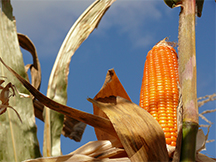
Natural gene selection can produce orange corn rich in provitamin A for Africa, U.S.

Purdue researchers have identified a set of genes that can be used to naturally boost the provitamin A content of corn kernels, a finding that could help combat vitamin A deficiency in developing countries and macular degeneration in the elderly.
Professor of agronomy Torbert Rocheford and collaborators at Cornell University and Michigan State University found gene variations that can be selected to change nutritionally poor white corn into biofortified orange corn with high levels of provitamin A carotenoids - substances that the human body can convert into vitamin A. Vitamin A plays key roles in eye health and the immune system, as well as in the synthesis of certain hormones.
"This study gives us the genetic blueprint to quickly and cost-effectively convert white or yellow corn to orange corn that is rich in carotenoids - and we can do so using natural plant breeding methods, not transgenics," said Rocheford, the Patterson Endowed Chair of Translational Genomics for Crop Improvement.
Vitamin A deficiency causes blindness in 250,000 to 500,000 children every year, half of whom die within a year of losing their eyesight, according to the World Health Organization. The problem most severely affects children in Sub-Saharan Africa, an area in which white corn, which has minimal amounts of provitamin A carotenoids, is a dietary mainstay.
Insufficient carotenoids may also contribute to macular degeneration in the elderly, a leading cause of blindness in older populations in Europe and the U.S.
Identifying the genes that determine carotenoid levels in corn kernels will help plant breeders develop novel biofortifed corn varieties for Africa and the U.S. The dark orange color of these corn varieties also makes them more culturally acceptable to consumers in African countries where yellow corn is generally fed only to animals, Rocheford said.
Previous research by Rocheford and his colleagues identified two genes that contribute to provitamin A carotenoid levels in corn kernels, but "we wanted more cookies in the jar for breeders to pick from," he said.
The researchers used a combination of statistical analysis and prediction models to identify and assess the potential usefulness of genes associated with carotenoid levels in corn. They evaluated data sets from about 200 genetically diverse lines of corn at varying scopes of investigation - from the entire corn genome to stretches of DNA surrounding small sets of genes. They uncovered four genes that had not previously been linked to carotenoid levels in corn kernels.
Though many genes likely contribute to carotenoid levels in corn, "we're pretty confident that our previous and current research has now identified several genes that are the major players," Rocheford said.
Their study found that a combination of visually selecting corn with darker orange kernels and using a number of these favorable genes could be an effective way to rapidly convert white and yellow corn varieties to orange corn with higher levels of provitamin A and total carotenoids.
"We now have the genetic information needed to begin developing a major public-private sector collaboration with the goal of providing orange corn with high levels of provitamin A to farmers throughout Sub-Saharan Africa," he said.
The study also showed that using a more targeted approach to predicting the usefulness of a small set of genes was as effective as evaluating the whole corn genome, said Brenda Owens, doctoral candidate and first author of the study.
"Having this smaller list of genes to select for means that we can make the improvement of carotenoid levels in corn a simpler, faster process for plant breeders," she said.
Their research - with support from the National Science Foundation, HarvestPlus and the International Maize and Wheat Improvement Center, also known as CIMMYT - has yielded varieties of orange corn with markedly higher amounts of provitamin A carotenoids. But further efforts to produce even higher levels will be necessary to offset degradation of nutrients after harvest and reduce the amount of corn African consumers would need to eat to attain enough provitamin A, Rocheford said.
Varieties of orange corn are currently being grown in Zambia, Zimbabwe, Nigeria and Ghana. An open-pollinated variety of orange corn could be available for organic and local grower operations in the U.S. by 2016, he said.

The paper was published online in Genetics and is available at http://www.genetics.org/content/early/2014/09/25/genetics.114.169979.full.pdf+html
A video presentation of Rocheford discussing the research behind biofortified orange corn and its implications is available at http://docs.lib.purdue.edu/dawnordoom/2014/presentations/11/

Source:

Monday, December 08, 2014

Coffee in the genes? New genetic variants associated with coffee drinking

A new, large-scale study has identified six new genetic variants associated with habitual coffee drinking. "Coffee and caffeine have been linked to beneficial and adverse health effects. Our findings may allow us to identify subgroups of people most likely to benefit from increasing or decreasing coffee consumption for optimal health," said the lead author of the study.
"Coffee and caffeine have been linked to beneficial and adverse health effects. Our findings may allow us to identify subgroups of people most likely to benefit from increasing or decreasing coffee consumption for optimal health," said Marilyn Cornelis, research associate in the Department of Nutrition at Harvard School of Public Health and lead author of the study.
The study appears online October 7, 2014 in Molecular Psychiatry.
Genetics have long been suspected of contributing to individual differences in response to coffee and caffeine. However, pinpointing the specific genetic variants has been challenging.
The researchers, part of the Coffee and Caffeine Genetics Consortium, conducted a genome-wide meta-analysis of more than 120,000 regular coffee drinkers of European and African American ancestry. They identified two variants that mapped to genes involved in caffeine metabolism, POR and ABCG2 (two others, AHR and CYP1A2 had been identified previously). Two variants were identified near genes BDNF and SLC6A4 that potentially influence the rewarding effects of caffeine. Two others -- near GCKR and MLXIPL, genes involved in glucose and lipid metabolism -- had not previously been linked to the metabolism or neurological effects of coffee.
The findings suggest that people naturally modulate their coffee intake to experience the optimal effects exerted by caffeine and that the strongest genetic factors linked to increased coffee intake likely work by directly increasing caffeine metabolism.
"The new candidate genes are not the ones we have focused on in the past, so this is an important step forward in coffee research," said Cornelis.
"Like previous genetic analyses of smoking and alcohol consumption, this research serves as an example of how genetics can influence some types of habitual behavior," said Daniel Chasman, associate professor at Brigham and Women's Hospital and the study's senior author.

Source:
http://www.sciencedaily.com 
M C Cornelis, D I Chasman et al. Genome-wide meta-analysis identifies six novel loci associated with habitual coffee consumption. Molecular Psychiatry, 2014; DOI: 10.1038/mp.2014.107

Tuesday, October 21, 2014

Estado del arte de la quinua en el mundo en 2013

Editado por
Bazile, D., Bertero, D. y Nieto, C.

Organización de las Naciones Unidas para la Alimentación y la Agricultura (FAO) Santiago, Chile
Centre de Coopération Internationale en Recherche Agronomique pour le Développement (CIRAD) Montpellier, France

Resumen
En el 2013 las Naciones Unidas declararon el Año Internacional de la Quinua, situándola en un espacio privilegiado a nivel global, generando expectativas y desafíos.
El "Estado del arte de la quinua en el mundo en 2013" es una publicación conjunta entre el CIRAD y la FAO que reúne en un solo libro toda la información relevante sobre la quinua generada por los más destacados investigadores del mundo, organizaciones de productores, tomadores de decisión, y todos aquéllos que se preocupan por este alimento. El libro tiene como objetivo principal favorecer la difusión de estos conocimientos, promover el dialogo y el debate entre actores del desarrollo de la quinua a nivel mundial y generar nuevas expectativas del cultivo en el mundo, considerando sus aportes a la seguridad alimentaria y a la economía de la agricultura familiar, pero también considerando los riesgos inherentes de una expansión descontrolada, en particular poniendo énfasis: en la necesidad de regulación de la circulación de los recursos fitogenéticos y la redistribución justa y equitativa de los beneficios de su utilización fuera de la zona andina y la sostenibilidad de los sistemas agrícolas. Esperamos que este libro se constituya en una herramienta que impulse el desarrollo de programas y proyectos respetuosos, responsables y éticos de quinua en el mundo manteniendo y preservando la biodiversidad de la quinua.


Tuesday, October 14, 2014

Natural gene selection can produce orange corn rich in provitamin A for Africa, U.S.

Purdue researchers have identified a set of genes that can be used to naturally boost the provitamin A content of corn kernels, a finding that could help combat vitamin A deficiency in developing countries and macular degeneration in the elderly.
Professor of agronomy Torbert Rocheford and fellow researchers found gene variations that can be selected to change nutritionally poor white corn into biofortified orange corn with high levels of provitamin A carotenoids - substances that the human body can convert into vitamin A. Vitamin A plays key roles in eye health and the immune system, as well as in the synthesis of certain hormones.
"This study gives us the genetic blueprint to quickly and cost-effectively convert white or yellow corn to orange corn that is rich in carotenoids - and we can do so using natural plant breeding methods, not transgenics," said Rocheford, the Patterson Endowed Chair of Translational Genomics for Crop Improvement.
Vitamin A deficiency causes blindness in 250,000 to 500,000 children every year, half of whom die within a year of losing their eyesight, according to the World Health Organization. The problem most severely affects children in Sub-Saharan Africa, an area in which white corn, which has minimal amounts of provitamin A carotenoids, is a dietary mainstay.
Insufficient carotenoids may also contribute to macular degeneration in the elderly, a leading cause of blindness in older populations in Europe and the U.S.
Identifying the genes that determine carotenoid levels in corn kernels will help plant breeders develop novel biofortifed corn varieties for Africa and the U.S. The dark orange color of these corn varieties also makes them more culturally acceptable to consumers in African countries where yellow corn is generally fed only to animals, Rocheford said.
Previous research by Rocheford and his colleagues identified two genes that contribute to provitamin A carotenoid levels in corn kernels, but "we wanted more cookies in the jar for breeders to pick from," he said.
The researchers used a combination of statistical analysis and prediction models to identify and assess the potential usefulness of genes associated with carotenoid levels in corn. They evaluated data sets from about 200 genetically diverse lines of corn at varying scopes of investigation - from the entire corn genome to stretches of DNA surrounding small sets of genes. They uncovered four genes that had not previously been linked to carotenoid levels in corn kernels.
Though many genes likely contribute to carotenoid levels in corn, "we're pretty confident that our previous and current research has now identified several genes that are the major players," Rocheford said.
Their study found that a combination of visually selecting corn with darker orange kernels and using a number of these favorable genes could be an effective way to rapidly convert white and yellow corn varieties to orange corn with higher levels of provitamin A and total carotenoids.
"We now have the genetic information needed to begin developing a major public-private sector collaboration with the goal of providing orange corn with high levels of provitamin A to farmers throughout Sub-Saharan Africa," he said.
The study also showed that using a more targeted approach to predicting the usefulness of a small set of genes was as effective as evaluating the whole corn genome, said Brenda Owens, doctoral candidate and first author of the study.
"Having this smaller list of genes to select for means that we can make the improvement of carotenoid levels in corn a simpler, faster process for plant breeders," she said.
Their research - in collaboration with HarvestPlus and the International Maize and Wheat Improvement Center, also known as CIMMYT - has yielded varieties of orange corn with markedly higher amounts of provitamin A carotenoids. But further efforts to produce even higher levels will be necessary to offset degradation of nutrients after harvest and reduce the amount of corn African consumers would need to eat to attain enough provitamin A, Rocheford said.
Varieties of orange corn are currently being grown in Zambia, Zimbabwe, Nigeria and Ghana. An open-pollinated variety of orange corn could be available for organic and local grower operations in the U.S. by 2016, he said.
The paper was published online in Genetics and is available at http://www.genetics.org/content/early/2014/09/25/genetics.114.169979.full.pdf+html
A video presentation of Rocheford discussing the research behind biofortified orange corn and its implications is available athttp://docs.lib.purdue.edu/dawnordoom/2014/presentations/11/
Funding for the research was provided by the National Science Foundation; HarvestPlus; Purdue University startup and Patterson Chair funds; the U.S. Department of Agriculture-Agricultural Research Service; Cornell University startup funds; a U.S. Department of Agriculture National Needs Fellowship; and a Borlaug Fellowship.

ABSTRACT
A foundation for provitamin A biofortification of maize: genome-wide association and genomic prediction models of carotenoid levels
Brenda F. Owens 1; Alexander E. Lipka 2; Maria Magallanes-Lundback 3; Tyler Tiede 1; Christine H. Diepenbrock 4; Catherine B. Kandianis 3, 4; Eunha Kim 3; Jason Cepela 5; Maria Mateos-Hernandez 1; C. Robin Buell 1; Edward S. Buckler 2, 4, 6; Dean DellaPenna 3; Michael A. Gore 4; Torbert Rocheford 1

1 Purdue University, Department of Agronomy, West Lafayette, IN 47907
2 Cornell University, Institute for Genomic Diversity, Ithaca, NY 14853
3 Michigan State University, Department of Biochemistry and Molecular Biology, East Lansing, MI 48824
4 Cornell University, Department of Plant Breeding and Genetics, Ithaca, NY 14853
5 Michigan State University, Department of Plant Biology, East Lansing, MI 48824
6 United States Department of Agriculture-Agricultural Research Service (ARS), Robert W. Holley Center for Agriculture and Health, Ithaca, NY 14853

Efforts are underway for development of crops with improved levels of provitamin A carotenoids to help combat dietary vitamin A deficiency. As a global staple crop with considerable variation in kernel carotenoid composition, maize (Zea mays L.) could have widespread impact. We performed a genome-wide association study (GWAS) of quantified seed carotenoids across a panel of maize inbreds ranging from light yellow to dark orange in grain color to identify some of the key genes controlling maize grain carotenoid composition. Significant associations at the genome-wide level were detected within the coding regions of zep1 and lut1, carotenoid biosynthetic genes not previously shown to impact grain carotenoid composition in association studies, as well as within previously associated lcyE and crtRB1 genes. We leveraged existing biochemical and genomic information to identify 58 a priori candidate genes relevant to the biosynthesis and retention of carotenoids in maize to test in a pathway-level analysis. This revealed dxs2 and lut5, genes not previously associated with kernel carotenoids. In genomic prediction models, use of markers that targeted a small set of quantitative trait loci (QTL) associated with carotenoid levels in prior linkage studies were as effective as genome-wide markers for predicting carotenoid traits. Based on our GWAS, pathway-level analysis, and genomic prediction studies, we outline a flexible strategy involving use of a small number of genes that can be selected for rapid conversion of elite white grain germplasm, with minimal amounts of carotenoids, to orange grain versions containing high levels of provitamin A.

Source:

Wednesday, October 01, 2014

Future of our crops is at risk in conflict zones, say scientists

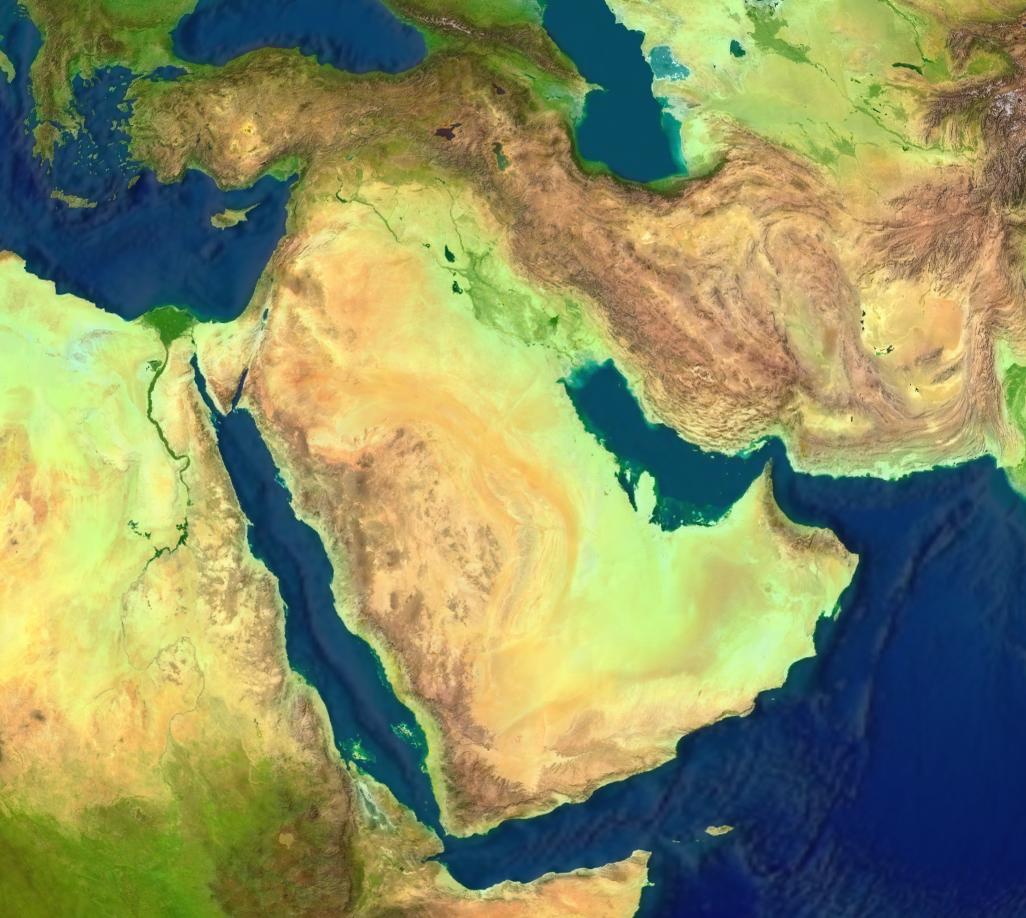
Wild species related to our crops, which are crucial as potential future food resources, have been identified by scientists, however, a significant proportion are found in conflict zones in the Middle East, where their conservation is increasingly comprised.

Wild species related to our crops which are crucial as potential future food resources have been identified by University of Birmingham scientists, however, a significant proportion are found in conflict zones in the Middle East, where their conservation is increasingly comprised.
The scientists have identified 'hotspots' around the globe where crop wild relatives (CWR) -- species closely related to our crops which are needed for future crop variety development -- could be conserved in the wild in order to secure future global food resources.
The hotspot where CWR are most concentrated is in the so-called 'Fertile Crescent', which is situated in the Middle East, arcing around the Arabian desert from Jordan, Palestine, Israel, Syria, Lebanon, Turkey and ending in Iraq and Iran.
Climate change, along with a steady rise in the human population is forecast to have a detrimental impact on crops that are grown for food. The wild relatives of crops, however, contain many useful traits such as drought tolerance, yield improvement, and resilience to pests and diseases. These wild species can be used by plant breeders to create stronger, more resilient crop varieties which will help to underpin future food security.
Now a comprehensive database of globally important CWR exists, thanks to this study. The inventory lists 173 crops and their 1667 priority wild relatives, along with their particular traits. For example, the crop wild relative of the wheat crop, Aegilops tauschii, is resistant to Hessian Fly which is pest of cereal crops; Saccharum arundinaceum is a relative of sugar cane and can survive very low temperatures, andPrunus ferganensis, the crop wild relative of peach, is tolerant to drought conditions. Globally, the highest concentration of CWR per unit area is found in Syria and Lebanon.
Research at Birmingham has shown that 12 per cent of CWRs are threatened with extinction and all are likely to be already suffering a loss of genetic diversity due to habitat loss and alteration, conflict, intensive agriculture, urbanisation, and mismanagement of the environment. However, until now, there has been no attempt to systematically conserve the diversity of this important global resource.
A new initiative led by the Food and Agriculture Organisation of the UN, with help from scientists at the University of Birmingham, will, for the first time, plan and implement effective conservation of these priority plant species in the countries where they are found. The Birmingham scientists are now working on a strategy to conserve CWRs by identifying and promoting the establishment of managed conservation sites in the wild, while taking samples and placing them in gene banks as a safety back up, where the genetic material can be kept for up to 300 years.
The team is currently negotiating with governments in the Fertile Crescent to highlight the plight of these species and to try to implement 'in situ' conservation in the hotspot areas.
Dr Nigel Maxted, lead investigator from the University of Birmingham's School of Biosciences, said: 'There has previously been no opportunity to systematically conserve and use CWR as there was a lack of clarity over their identities and distribution. By creating an inventory of globally important CWR we can discover which countries and regions are the richest in terms of priority CWR, and more efficiently plan and coordinate conservation efforts to ensure their survival.
'It is very important that we conserve these species in secure gene banks, but it is critical to conserve them in their natural habitat as they will continue to adapt to changes in the climate as well as threats from pests and diseases.'
'The global population is now 7 billion and by 2050 it will be 9 billion so it is now even more crucial that we conserve crop wild relatives as part of the wider need to address global food security issues.'
As well as the abundance of CWR in the Fertile Crescent, many CWR can be found in the UK including the wild relatives of sugarbeet, asparagus, raddish and wild garlic. The Birmingham team is now working with Natural England to identify an area where CWR can be conserved in their natural habitat in the UK.

Source:

http://www.sciencedaily.com/

Monday, September 29, 2014

'Most famous wheat gene' discovered, clears way for non-GMO breeding

Researchers have found 'the most famous wheat gene,' a reproductive traffic cop of sorts that can be used to transfer valuable genes from other plants to wheat. The discovery clears the way for breeders to develop wheat varieties with the disease- and pest-resistance traits of other grasses, using a legion of genetic tools that can reduce crop losses and pesticide use while foregoing the cost, regulatory hurdles and controversy of genetically modified organisms.
The discovery clears the way for breeders to develop wheat varieties with the disease- and pest-resistance traits of other grasses, using a legion of genetic tools that can reduce crop losses and pesticide use while foregoing the cost, regulatory hurdles and controversy of Genetically Modified Organisms, or GMOs.
"The real exciting part of this gene is that it has tremendous potential for application," said Kulvinder Gill, a WSU professor, who reports his findings in the journalProceedings of the National Academy of Sciences.
For some 35 million years, the wild ancestors of wheat routinely traded genes as they accidentally cross-bred with each other. But with the rise of agriculture and cultivated wheat 10,000 years ago, the plant's genetic structure changed. Instead of being diploid, with two sets of chromosomes like humans and most other living things, it became polyploid, with, in the case of bread wheat, seven sets of six related chromosomes.
Starting in 1958, just five years after the discovery of DNA's double-helix structure, researchers suspected that a specific gene controls the orderly pairing of wheat chromosomes during reproduction.
"If this gene was not present, there would be chaos in the nucleus," said Gill. "Six chromosomes would pair with each other, and sometimes five chromosomes would go to one cell and one to the other, resulting in a sterile plant. Because of this gene, wheat can be fertile. Without this gene, it would be more like sugar cane, where it is a mess in the nucleus and it can only be vegetatively propagated."
But the gene also prevents wheat from breeding with related ancestors that can contain a vast array of traits preferred by growers.
"This gene would not allow rye chromosomes to pair with wheat," said Gill. "We cannot get a single gene transfer into wheat as long as this gene is present."
Interest in the gene, called Ph1, has spawned scores of research papers, making it what Gill called, "the most famous wheat gene."
In 2006, British researchers writing in the journal Nature said they identified the gene.
"In this paper," said Gill, "we show that their gene is not the Ph1." Knowing their findings would be controversial, Gill and his colleagues spent a year repeating the experiments that led to their conclusion. They are now moving on.
"Now that we have the gene, we can actually use that gene sequence to temporarily silence the gene and make rye and other chromosomes pair with wheat and transfer genes by a natural method into wheat without calling it GMO," Gill said.
Their first effort involves transferring a gene from jointed goatgrass, a wild relative of wheat, to confer resistance to stripe rust. The fungus is considered the world's most economically damaging wheat pathogen, costing U.S. farmers alone some $500 million in lost productivity in 2012.
While facilitated by technology, the actual exchange of genetic material is similar to what has long taken place in nature, only faster. Incorporating the gene transfer into the overall breeding process, researchers can develop a new variety in five years, said Gill.
"If we let wheat evolve for another few millions years in the wild, maybe it will develop enough variation, but we don't have that kind of time," said Gill. "We need to solve this problem today."

Source:
http://www.sciencedaily.com/

Ramanjot Bhullar, Ragupathi Nagarajan, Harvinder Bennypaul, Gaganpreet K. Sidhu, Gaganjot Sidhu, Sachin Rustgi, Diter Von Wettstein, and Kulvinder S. Gill.Silencing of a metaphase I-specific gene results in a phenotype similar to that of the Pairing homeologous 1 (Ph1) gene mutations. PNAS, September 2014 DOI: 10.1073/pnas.1416241111

Tuesday, September 23, 2014

Coffee genome sheds light on the evolution of caffeine

An international research team has sequenced the genome of the coffee plant Coffea canephora. By comparing genes in the coffee, tea and chocolate plants, the scientists show that enzymes involved in making caffeine likely evolved independently in these three organisms. More than 8.7 million tons of coffee was produced in 2013; it is the principal agricultural product of many tropical nations.

The scientists who completed the project say the sequences and positions of genes in the coffee plant show that they evolved independently from genes with similar functions in tea and chocolate, which also make caffeine.
In other words, coffee did not inherit caffeine-linked genes from a common ancestor, but instead developed the genes on its own.
The findings appeared on Sept. 5 in the journalScience.

Why Coffee?

With more than 2.25 billion cups consumed daily worldwide, coffee is the principal agricultural product of many tropical countries. According to estimates by the International Coffee Organization, more than 8.7 million tons of coffee were produced in 2013, revenue from exports amounted to $15.4 billion in 2009-2010, and the sector employed nearly 26 million people in 52 countries during 2010.
"Coffee is as important to everyday early risers as it is to the global economy. Accordingly, a genome sequence could be a significant step toward improving coffee," said Philippe Lashermes, a researcher at the French Institute of Research for Development (IRD). "By looking at the coffee genome and genes specific to coffee, we were able to draw some conclusions about what makes coffee special."
Lashermes, along with Patrick Wincker and France Denoeud, genome scientists at the French National Sequencing Center (CEA-Genoscope), and Victor Albert, professor of biological sciences at the University at Buffalo, are the principal authors of the study.
Scientists from other organizations, particularly the Agricultural Research Center for International Development in France, also contributed, along with researchers from public and private organizations in the U.S., France, Italy, Canada, Germany, China, Spain, Indonesia, Brazil, Australia and India.
The team created a high-quality draft of the genome of Coffea canephora, which accounts for about 30 percent of the world's coffee production, according to the Manhattan-based National Coffee Association.
Next, the scientists looked at how coffee's genetic make-up is distinct from other species.
Compared to several other plant species including the grape and tomato, coffee harbors larger families of genes that relate to the production of alkaloid and flavonoid compounds, which contribute to qualities such as coffee aroma and the bitterness of beans.
Coffee also has an expanded collection of N-methyltransferases, enzymes that are involved in making caffeine.
Upon taking a closer look, the researchers found that coffee's caffeine enzymes are more closely related to other genes within the coffee plant than to caffeine enzymes in tea and chocolate.
This finding suggests that caffeine production developed independently in coffee. If this trait had been inherited from a common ancestor, the enzymes would have been more similar between species.
"The coffee genome helps us understand what's exciting about coffee -- other than that it wakes me up in the morning," Albert said. "By looking at which families of genes expanded in the plant, and the relationship between the genome structure of coffee and other species, we were able to learn about coffee's independent pathway in evolution, including -- excitingly -- the story of caffeine."
Why caffeine is so important in nature is another question. Scientists theorize that the chemical may help plants repel insects or stunt competitors' growth. One recent paper showed that pollinators -- like humans -- may develop caffeine habits. Insects that visited caffeine-producing plants often returned to get another taste.
The new Science study doesn't offer new ideas about the evolutionary role of caffeine, but it does reinforce the idea that the compound is a valuable asset. It also provides the opportunity to better understand the evolution of coffee's genome structure.
"It turns out that, over evolutionary time, the coffee genome wasn't triplicated as in its relatives: the tomato and chile pepper," Wincker said. "Instead it maintained a structure similar to the grape's. As such, evolutionary diversification of the coffee genome was likely more driven by duplications in particular gene families as opposed to en masse, when all genes in the genome duplicate."
This stands in contrast to what's been suggested for several other large plant families, where other investigators have noted correlations between high species diversity in a group and the presence of whole genome doublings or triplings.
"Coffee lies in the plant family Rubiaceae, which has about 13,000 species and is the world's fourth largest; thus, with no genome duplication at its root, it appears to break the mold of a genome duplication link to high biodiversity," Denoeud said.

Source:
http://www.sciencedaily.com/

France Denoeud et al. The coffee genome provides insight into the convergent evolution of caffeine biosynthesis. Science, September 2014 DOI:10.1126/science.1255274

Monday, August 04, 2014

Evaluation of Unintended Effects in the Composition of Tomatoes Expressing a Human Immunoglobulin A against Rotavirus

The production of neutralizing immunoglobulin A (IgA) in edible fruits as a means of oral passive immunization is a promising strategy for the inexpensive treatment of mucosal diseases. This approach is based on the assumption that the edible status remains unaltered in the immunoglobulin-expressing fruit, and therefore extensive purification is not required for mucosal delivery. However, unintended effects associated with IgA expression such as toxic secondary metabolites and protein allergens cannot be dismissed a priori and need to be investigated. This paper describes a collection of independent transgenic tomato lines expressing a neutralizing human IgA against rotavirus, a mucosal pathogen producing severe diarrhea episodes. This collection was used to evaluate possible unintended effects associated with recombinant IgA expression. A comparative analysis of protein and secondary metabolite profiles using wild type lines and other commercial varieties failed to find unsafe features significantly associated with IgA expression. Preliminary, the data indicate that formulations derived from IgA tomatoes are as safe for consumption as equivalent formulations derived from wild type tomatoes. 

Saturday, July 26, 2014

"Quinoa" magazine on Flipboard

Quinoa
By Francisco Fuentes | Francisco Fuentes created a magazine on Flipboard. “Quinoa” is available with thousands of other magazines and all the news you care about. Download Flipboard for free and search for “Francisco Fuentes”.
Source: https://flipboard.com/section/quinoa-bOjVX9

Wednesday, June 25, 2014

BT crops: To plant or not to plant

Scientists, through genetic engineering, have taken the Bt gene responsible for the production of the insecticidal protein from the bacterium and incorporated it into the genome of plants. As such, the plants have a built-in mechanism of protection against targeted pests.
Aside from corn, Bt is also introduced in cotton, poplar, potato, rice, soybean, tomato, and more recently eggplant. “The protein produced by the plants does not get washed away, nor is it destroyed by sunlight,” said a briefing paper published by the Global Knowledge Center on Crop Biotechnology. “The plants are protected from the insects round the clock regardless of the situation.”
Since Bt crops are able to defend themselves against pests, the use of chemical insecticides is significantly reduced. A study conducted by the United States Department of Agriculture showed that 8.2 million pounds of pesticide active ingredients were eliminated by the farmers who planted Bt crops in 1998.
“Aside from being effective against insect pests, Bt crops have lower incidences of opportunistic microbial pathogens, such as the fungus Fusarium,” the briefing paper said. “This fungus produces mycotoxins that can be deadly to livestock and also cause cancer in humans.”
The briefing paper shares this information on how Bt operates: “When ingested by larva of the target insect, the Bt protein is activated in the gut’s alkaline condition and punctures the mid-gut leaving the insect unable to eat. The insect dies within a few days.”
It is for this reason why much research has been done to exploit the organism’s agronomic value. To date, there are more than 200 types of Bt proteins identified with varying degrees of toxicity to some insects.
The International Service for the Acquisition of Agri-Biotech
Applications (Isaaa) recently released a report which indicates more than 18 million farmers in 27 countries planted biotech crops in 2013, reflecting a five million, or three percent, increase in global biotech crop hectarage.
“Accumulated hectarage of biotech crops planted worldwide to-date stands at 1.6 billion hectares or 150 percent of the total landmass of China,” said Clive James, author of the report and ISAAA Founder and Chairman Emeritus.
In Asia, Bt corn is now planted not only in the Philippines but also in China, Indonesia, Japan, Malaysia, South Korea, and Taiwan. It is also grown in the United States, Canada, Switzerland, and in some parts of South America and Africa.
But there are some issues against Bt crops. Critics claim that Bt proteins could target predatory and other beneficial or harmless insects as well as the targeted pest. The University of California reported that the Bt proteins have been used as organic sprays for insect control in France since 1938 and the USA since 1958 with no ill effects on the environment reported.
“The specificity of Bt for its target insects is one of the characteristics that make it an ideal method of biological pest control,” the briefing paper explained. “The specificity rests on the fact that the toxicity of the Bt protein is receptor-mediated. This means that for an insect to be affected by the Bt protein, it must have specific receptor sites in its gut where the proteins can bind. Fortunately, humans and majority of beneficial insects do not have these receptors.”
A 1999 study, which appeared in Nature, showed that in a lab environment, pollen from Bt corn dusted onto milkweed could harm the monarch butterfly. Several groups later studied the phenomenon in both the field and the laboratory, resulting in a risk assessment that concluded that any risk posed by the corn to butterfly populations under real-world conditions was negligible, according to a study published in the Proceedings of Natural Academy Science.
A 2002 review of the scientific literature also concluded that “the commercial large-scale cultivation of current Bt–maize hybrids did not pose a significant risk to the monarch population” to quote a study entitled, “The case of the monarch butterfly: a verdict is returned,” which appeared in Trends Genet.
What about among human beings? The US Environment Protection Agency has reportedly administered toxicology assessments. Bt proteins have already been tested even at relatively higher dosages.
According to the Extension Toxicology Network (Extonet), a pesticide information project of several universities in the US, “no complaints were made after 18 humans ate one gram of commercial Bt preparation daily for five days, on alternate days… Humans also ate one gram per day for three consecutive days were not poisoned or infected.”
On tests conducted on dogs, guinea pigs, rats, fish, frogs, salamanders and birds, the Bt protein was found not to have any harmful effects. What was interesting about the study was that the no toxic effects were found on beneficial or predator insects, such as honeybees and lady beetles, Extonet reports.
The ISAAA claimed that Bt crops have benefitted food security, sustainability and the environment. “Between 1996 and 2012, biotech crops have made positive contributions through decreased production costs and increased productivity (estimated at 377 million tons) valued at US $117 billion,” it reported.
Its environmental benefits included: eliminating the need for 497 million kilograms of pesticides; reducing carbon dioxide emissions by 27 billion kilograms in 2012 alone (equivalent to removing 12 million cars from the road for one year); and conserving biodiversity by saving 123 million hectares of land from being placed in agricultural production during the period 1996 to 2012.
“Bt crops are an addition to our arsenal against plant pests,” the briefing paper concludes. “With an increasing population and decreasing arable land, it is necessary to exploit all options with as little compromise to produce more crops. When used side by side with proper agricultural practices, Bt insect resistance technology can bring many benefits to crops, farmers, and consumers alike.”

Source:

Tuesday, June 24, 2014

Enter halophytes: We are running out of land for traditional agriculture. Time to figure out what saltwater plants can do for us

Ever since ancient times, the sowing of salt has been synonymous with severe and deadly retribution. The Roman general Scipio Africanus the Younger was said to have ended the Third Punic War in 146BC by razing Carthage, enslaving its population and spreading salt on its fields. In the biblical book of Judges (9:45), the brutal and unprincipled King Abimelech laid siege to the Canaanite city of Shechem. ‘He took the city,’ the biblical story says, ‘and slew the people that was therein, and beat down the city, and sowed it with salt.’
Salt kills most plants. In fact, it attacks them in much the same way that carbon monoxide kills humans. In cases of carbon monoxide poisoning, CO molecules exhaust the carrying capacity of your red blood cells, depriving your body of the oxygen it needs. Likewise, most terrestrial plants soak up the sodium ions and sodium chloride from salt much faster than they can absorb essential nutrients such as potassium, calcium and magnesium. Without those nutrients, they perish. Spread salt on the fields of your enemies and their crops will fail.
More than 97 per cent of the water on Earth is saline. Wouldn’t it be cruel if nature had locked up the vast bulk of the planet’s vital fluids in a form that no plant could drink? Well, as it happens nature is not quite that cruel. Of the 400,000 flowering plant species around the world, 2,600 do drink seawater. They are halophytes, meaning ‘salt-plant’, and they might just be the answer to a question surprisingly few governments have yet asked: namely, how can we put our planet’s practically infinite volumes of saltwater to good use?
It might not be immediately obvious why such a question is worth our time. But consider: between sea-level rise and the increase in droughts and floods, the acreage available for conventional, freshwater agriculture is shrinking rapidly. Freshwater aquifers are becoming increasingly salty: among them, the Ogallala Aquifer, which covers a quarter of the irrigated land in the US. And so one of the world’s most important breadbaskets is under threat. Elsewhere, one-sixth of the world’s population relies on Eurasian rivers that trace back to Himalayan glaciers, which are themselves disappearing because of climate change.
While the global supply of arable land is shrinking, demand keeps rising. The United Nations has calculated that, if we are to feed the 9 billion people on Earth by the middle of this century, we will have to increase agricultural productivity by as much as 70 per cent. How on earth are we going to do that? Perhaps we’ll discover some ultra-productive new crops or farming techniques; we’ve been lucky before. But even if we manage that, our crops will still have to withstand the projected spike in extreme weather caused by climate change.
Meanwhile, we are trying to replace our fossil fuels with bio alternatives. The trouble with fossil fuels, you might or might not be aware, is the ‘fossil’ part: burning them returns a lot of carbon into the atmosphere that had been locked away underground for millions of years. Biofuels, by contrast, are made from plants whose carbon was for the most part only recently pulled out of the air, so they don’t increase the atmospheric carbon count by very much. That is to say, we need them. The only catch is, they come from plants that also have to be grown and cultivated. With limited arable land and increasingly limited freshwater supplies, conventional biofuel crops have to fight for space with our own food and water. Whichever way you cut it, we are running out of land.
Enter halophytes. Edward Glenn, an environmental scientist at the University of Arizona, has been promoting the plants for the best part of two decades. Above all, he sees them as an effective way to tackle climate change itself. Deforestation generates an astonishing 20 per cent of greenhouse gas emissions today – exceeding the total carbon emissions from all cars, trucks, ships and planes around the world – and most felling takes place in order to clear ground for freshwater agriculture. ‘If you can develop new cropland using seawater and saline water and coastal deserts,’ Glenn explains, ‘and preserve all those forested lands, that’d really make a contribution to the carbon balance and climate change.’
Dennis Bushnell, chief scientist at NASA’s Langley Research Center, has been working on his own high-level analysis, and he shares Glenn’s enthusiasm for the plants, though he emphasises another aspect of the overall picture. Bushnell is one of the agency’s ‘big thinkers’, concerned not only with rocket launches but also with global-scale problems. He predicts that by developing saline agriculture on waste ground, we could get our water issues under control within ‘15 to 20 years’, freeing up as much as 70 per cent of the water that we’re using now for conventional farming. ‘The beauty of halophytes,’ says Bushnell, ‘is you can do it wherever you have wastelands and some saline water. We have a surfeit of that.’
Encouraging as these global estimates might be, what the halophyte campaign really needs are concrete business proposals. So how about this one: according to researchers at the University of Delaware, a perennial species called seashore mallow (Kosteletzkya pentacarpos) could work in desert and salty-soil regions of North America, the Middle East, southeast Asia and western Australia. Seashore mallow can grow in salty soil, using saltwater irrigation. It is non-invasive and tolerant of both droughts and waterlogging. And its seeds are 18-20 per cent oil, making it a plausible biofuel candidate.
Those researchers are John Gallagher and Denise Seliskar – respectively, professor and research scientist at Delaware’s College of Earth, Ocean and Environment. They have been championing seashore mallow for many years. Last year they published a paper in the journal Renewable Energy, co-written with a group from the US Department of Agriculture, that analysed the plant’s potential as a biodiesel and ethanol source. By their calculations, it comes out roughly on par with soybeans, one of the commonest sources of biofuel now in use. A second paper, in Biomass and Bioenergy,examined the perennial’s stems’ absorbency, revealing commercial potential as mulch, erosion control and even kitty litter and animal bedding.
That variety of applications is important. ‘The thing that became apparent to us is it wasn’t going to run economically just on the oil you squeezed out of it,’ Gallagher says. ‘It’s taken 8,000 years to evolve corn from the teosinte [wild grass] found in the Mexican highlands to the Iowa cornfields. I just don’t have that long. So we thought we’d try to come up with an array of things we can get from the plant.’ Gallagher and Seliskar estimate that the entire crop can be harvested for products that could compete with existing markets of conventionally farmed commodities. The absorbency of its inner stem makes it attractive for animal bedding, while the outer bark has been developed into a thread for cloth. The seed, as noted, is a promising stock for ethanol and biodiesel. And the seedmeal offers a spread of amino acids that make it attractive as animal feed. Roots, spent flowers and the biopolymers in the plant are also being investigated for everything from gums to industrial chemicals.
It’s pretty straightforward to cultivate, too. According to the sales pitch that the duo sends out to interested farmers, this wild cousin of cotton is at home in brackish marshes and has adapted to both soggy and salty soils. That means it might be worth considering for farmers near estuaries, for instance, or near ocean dunes or deltas that are becoming too saline for traditional crops. Planting, they say, requires only the same row planter used for soybeans or corn. Harvesting can be done with traditional tools such as a combine harvester. It sounds almost too good to be true, doesn’t it? Farmers should be beating down their door.
And yet, somehow they aren’t.
In fact, despite the halophyte family’s dazzling promise, its champions have had to be remarkably patient. The catch, says Jeannette Hoek, president of the company OceanDesertFood in the Netherlands, is creating a demand in the marketplace for halophyte food, fodder and products. Hoek’s company contracts with halophyte farmers in Mexico who grow a vegetable called salicornia, also known as glasswort or pickleweed. It looks something like a green bean crossed with a stalk of asparagus, and has become a favourite of food bloggers and locavore enthusiasts. It is, of course, rather salty. OceanDesertFood makes salicornia crackers, as well as seaweed chips. ‘These things build a market,’ she says. ‘And as soon as the farmers see they can sell something, they will do it. But as long as they don’t see that, they will be very hesitant.’
Edward Glenn was beating the halophyte drum fully 16 years ago, notably talking up the advantages of saltwater agriculture in a landmark 1998 article for Scientific American. Today, he says he’s not surprised that the ambitious changes he and his co-authors proposed – greening the world’s deserts, transforming lands with brackish water tables into sites of commercial agriculture – have not yet come to pass. ‘These kinds of changes take much longer than people think they’ll take,’ he says. ‘But if you develop the technology and the resources – and there’s a place for them – eventually they’ll be utilised.’ Agriculture, after all, is as old as human civilisation. Perhaps it has earned the right to be a slow-moving industry.
Even so, there are some peculiarly modern reasons why uptake should be slow. The greatest opportunity for halophytes, both commercially and environmentally, is fuel. But bringing halophyte biofuel up to commercial scale would require the support of big energy – and perhaps big agribusiness – corporations. ‘The oil companies would have to become agriculturalists instead of hole drillers,’ says NASA’s Bushnell. This, of course, would take them a long way out of their comfort zones. ‘We have had contacts with several big corporations,’ says Bushnell. ‘And my impression of the big energy companies is they’re trying to squeeze the last dollops of profit out of their sunk costs and investments. However, in the back room they’re like the duck, paddling like hell underwater, trying to make sure they’re on to the next thing. So they are looking at this.’
J Alan Weber is the vice president of MARC-IV, a Missouri-based biofuel consulting firm. Though seashore mallow hasn’t yet secured much in the way of attention and research funding, it remains, in his opinion, a promising biodiesel and ethanol feedstock. But how to help it break through? ‘You probably wouldn’t anticipate seeing mallow grown on acres in Indiana,’ he says. On the other hand, ‘change the story, and start talking about a piece of ground that is high in salinity, where other crops wouldn’t perform very well, then the economics change.’ In the meantime, pilot programmes on non-traditional farmlands might draw in the research dollars. Weber recommends trials on federal lands, military bases, highway right-of-ways, or municipal county lands such as airports.
Air travel, in fact, might just be the factor that forces the issue. In 2015, the world’s airplanes are projected to consume 75 billion gallons of jet fuel, and consumption is expected to keep growing some 3-4 per cent per year through the next two decades. At NASA’s Glenn Research Center in Cleveland, Ohio, Bilal Bomani runs the Green Lab, a research and teaching lab that investigates both halophyte- and algae-based biofuels in aviation. He guesses that actual shortages will drive the industry to look to new resources. ‘We do not have fuel that will sustain us for the next 50 years,’ Bomani says. ‘You’re either going to do it now, or you’re going to be forced to do it later. And it’s a longer-term process. You’re not going to get running on halophytes in two to three years. But in five to 10 years? Absolutely positively.’
As far as Edward Glenn is concerned, the situation reminds him of another saltwater venture that no one paid attention to, until suddenly it took over its industry. In the late 1970s, he was working at a pilot shrimp farm in Mexico. ‘Us postdocs would get together in the evenings and say: ugh, this is hopeless – this aquaculture is never going to replace wild fisheries,’ he recalls. ‘But now aquaculture is a multi-multi-multi billion dollar industry around the world. And it’s where most of the world’s shrimp comes from. So change is slow, but it’s possible.’
Indeed, Glenn points to a possible synergy between aquaculture and halophyte agriculture. Shrimp farms produce copious amounts of ‘effluent’ – waste-laden water from the shrimp. This water can be a toxic hazard if it’s just dumped back into the ocean or back into the shrimp ponds. ‘You pump the water out of the ocean – or out of wells near the ocean – and you grow your shrimp,’ he says. ‘They require quite a bit of turnover of water to keep them healthy and growing. And you have to do something with the effluent water.’ The problem is that the effluent is also saltwater, which makes it useless for nearly any conventional agricultural use: crops choke on it as we would on carbon monoxide. But for halophyte-based agriculture, it is perfect: free irrigation plus free fertiliser. This opens the door for a symbiotic relationship that, Glenn says, shrimp farms in southeast Asia in particular have now begun to look into.
Even if halophytes do take off, we should temper our optimism. If there’s any single lesson to draw from the many problems that climate change poses, it’s that any single lesson is deceiving. There is no magic switch to make it all go away, and halophytes won’t save the planet any sooner than solar power, fuel cells or genetic engineering.
All the same, as a key that unlocks agriculture across four-tenth’s of the world’s land mass, they clearly deserve our close attention. Salted fields were synonymous with severe and deadly retribution, and it’s common today to think of climate change in similar terms: a harsh punishment for human hubris. Well, we might not be able to escape what’s coming to us altogether, but we should learn to roll with the punches.

Source:

Sunday, June 22, 2014

Novel Genetic Mechanism Protects Plants From Toxic Zinc

Zinc is essential for optimal plant growth and development but when high levels of the metal are present in the soil, it can become toxic to the plant. Consequently, plants need to trigger mechanisms capable of coping with that stress. Researchers from the Instituto Gulbenkian de Ciência (IGC) have now discovered a novel genetic mechanism that protects plants from toxic zinc levels. The research team, led by Paula Duque, identified a gene that produces a protein capable of sequestering zinc inside the cells of the root. In the presence of high levels of zinc, this gene undergoes a special processing which ensures more production of the protecting protein. These findings, published in the latest edition of the scientific journal PLOS Genetics*, open new avenues for increasing plant tolerance to zinc.
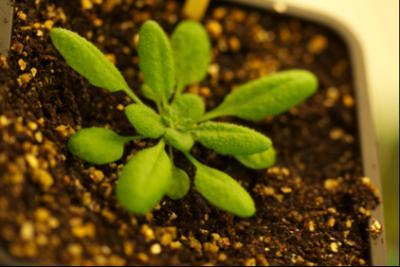
ZIF2 is the name of the novel gene discovered by Paula Duque's team. By undergoing genetic and cell biology studies in the plant model Arabidopsis thaliana, the researchers found that the ZIF2 gene produces a protein that transports zinc ions into a 'compartment' (the vacuole) of root cells, thus preventing its dispersion to other plant organs. In order to study if the ZIF2 protein was protecting the plant against toxic levels of zinc, plants either lacking ZIF2 or containing increased levels of the protein were generated. The researchers observed that, in the presence of high levels of zinc, plants without ZIF2 were less tolerant to the metal; their roots grew shorter, the production of chlorophyll was impaired, and ultimately the plant's biomass was reduced. Conversely, plants expressing more ZIF2 protein were able to cope better with high levels of zinc; roots grew longer, and more chlorophyll and biomass were produced. These results established that ZIF2 was important for plants to handle toxic zinc levels.
While conducting the genetic studies described above, the research team observed that the ZIF2 gene was producing more than one intermediary molecule of ribonucleic acid (RNA) prior to protein synthesis. When a gene is activated, an RNA molecule that serves as a messenger to translate the genetic information into protein is generated. The appearance of more than one RNA molecule may result from a processing mechanism called alternative splicing that removes different segments from within the RNA, generating molecules with distinct sizes. Therefore, Duque's team set out to investigate whether two ZIF2 RNA molecules played a different role in the plant's protection against zinc. They discovered that, even though both molecules were leading to the production of the same ZIF2 protein, the longer form would result in more protein being produced than the shorter RNA molecule. Intrigued by these results, the researchers investigated the underlying genetic mechanism. They found that the two ZIF2 RNAs arose from an alternative splicing event in a region of the RNA that does not affect the protein 'message' but was nevertheless controlling the production levels of the ZIF2 protein. The research team further discovered that zinc was a trigger for this processing event. In the presence of higher levels of zinc, that region of the RNA molecule was not removed, generating the longer form of the RNA molecule. This would result in more levels of ZIF2 protein produced and consequently confer more plant protection against zinc.
Paula Duque says: "We are amazed with our results. Plants have developed a very 'clever' genetic mechanism that allows them to protect plants from toxic levels of zinc. It is the zinc per se that triggers more production of a protein that then acts to retain this heavy metal in the root of plants, avoiding its toxic effects on leaves, flowers, and other aerial parts of the plant. Why this genetic mechanism occurs we don't know, but we hypothesize that it allows plants to save energy, by only producing more levels of the protein when it is really required."
Estelle Remy, a post-doctoral researcher at Paula Duque's laboratory and first author of this study, adds: "We further observed that the ZIF2 RNA region that undergoes this alternative processing can be used to increase the expression of other proteins. This potentiates our results not only to be used in strategies for crop biofortification, but also for the treatment of soils contaminated with zinc."

Source:

Saturday, June 14, 2014

Perennial corn crops? It could happen with new plant-breeding tool

Since the first plant genome sequence was obtained for the plant Arabidopsis in 2000, scientists have gene-sequenced everything from cannabis to castor bean. They have now unveiled a new tool that will help all plant scientists label genes far more quickly and accurately and is expected to give a big boost to traditional and nontraditional plant breeders.

University of Florida scientists were part of a research team that this week unveiled a new tool that will help all plant scientists label ("annotate" in researcher parlance) genes far more quickly and accurately and is expected to give a big boost to traditional and nontraditional plant breeders.
Christopher Henry, a computational biologist at the University of Chicago who had a leading role in creating the database, called PlantSEED, said it is an important step toward the engineering of improved crops, such as creating rice that grows more efficiently or is more drought resistant.

Or creating perennial corn.
"Imagine if you didn't have to plant seeds for crops -- if crops were just like your flowers and your maize just came up year after year," he said.
Andrew Hanson, a UF eminent scholar in horticultural sciences, said he believes PlantSEED -- the capstone of the team's three-year effort -- will prove even more of a boon to traditional breeders and should help them create better cultivars, faster.
"It's really the future. It'll be a new tool in the hands of the next generation of plant breeders, just as similar tools for bacteria are now widely used in microbial metabolic engineering," he said.
While scientists have been documenting and annotating genome sequences for plants at an amazing clip since breaking through with Arabidopsis, the work has not been without challenges.
In documenting genome sequences, scientists must sort through millions of bits of genetic code to identify what function each gene is responsible for (such as telling a plant how tall to grow or how to transport an amino acid throughout the plant). They base those identifications on evidence from previous studies.
That can be an imperfect process, Hanson said, because with 20,000 to 30,000 genes in a typical plant, scientists can't possibly conduct experiments to find out what each and every gene is responsible for. And they don't.

That is where the team's PlantSEED system comes in.
The open-access system, described in a paper published online by Proceedings of the National Academy of Sciences, integrates data from plant scientists around the world into a common platform, which should result in better, more quickly-updated plant models for everyone using them.
PlantSEED will help plant scientists begin to make better use of genome information by helping them create consistently accurate models for all plant genomes contained in the database.
Hanson, a faculty member with UF's Institute of Food and Agricultural Sciences, likens the new tool to models aeronautical engineers use when testing new equipment. They don't build a brand new jet every time they want to test a new material, but instead, test it by plugging information into computer models.
Because of tools like PlantSEED, plant scientists will eventually be able to do the same, he said.
"You can't really make as much use of the genome information as we should be able to until you can do that kind of modeling for plants, as well," he said. "And that's pretty much what this project is about."

Source:
http://www.sciencedaily.com/

S. M. D. Seaver, S. Gerdes, O. Frelin, C. Lerma-Ortiz, L. M. T. Bradbury, R. Zallot, G. Hasnain, T. D. Niehaus, B. El Yacoubi, S. Pasternak, R. Olson, G. Pusch, R. Overbeek, R. Stevens, V. de Crecy-Lagard, D. Ware, A. D. Hanson, C. S. Henry.High-throughput comparison, functional annotation, and metabolic modeling of plant genomes using the PlantSEED resource. Proceedings of the National Academy of Sciences, 2014; DOI: 10.1073/pnas.1401329111

Monday, June 09, 2014

Vol 42, No 1 (2014): Notulae Botanicae Horti Agrobotanici Cluj-Napoca


Notulae Botanicae Horti Agrobotanici Cluj-Napoca
OPEN JOURNAL SYSTEMS
Vol 42, No 1 (2014)

Introduction pages PDF

Review Articles
Pharmacological Benefits of Herbal Formulations in the Management of Psoriasis vulgaris PDF
Andreea Nicoleta BOCA, Alexandru TATARU, Anca Dana BUZOIANU, Carlo PINCELLI, Carmen SOCACIU 1-8

Research Articles
Comparative HPLC-DAD-ESI(+)MS Fingerprint and Quantification of Phenolic and Flavonoid Composition of Aqueous Leaf Extracts of Cornus mas and Crataegus monogyna, in Relation to Their Cardiotonic Potential PDF
Marius BADALICA-PETRESCU, Simona DRAGAN, Floricuţa RANGA, Florinela FETEA, Carmen SOCACIU 9-18

Pumpkin Fruit Flour as a Source for Food Enrichment in Dietary Fiber PDF
Judita ČERNIAUSKIENĖ, Jurgita KULAITIENĖ, Honorata DANILČENKO, Elvyra JARIENĖ, Edita Juknevičienė, Edita JUKNEVIČIENĖ 19-23

Phenolic Profile of the Kernel of Selected Persian Walnut (Juglans regia L.) Cultivars PDF
Géza BUJDOSÓ, György VÉGVÁRI, Veronika HAJNAL, Gitta FICZEK, Magdolna TÓTH 24-29

Sensory Quality of ‘Cherry’ Tomatoes in Relation to 1-MCP Treatment and Storage Duration PDF
Marek GAJEWSKI, Katarzyna MAZUR, Jadwiga RADZANOWSKA, Katarzyna KOWALCZYK, Monika MARCINKOWSKA, Klaudyna RYL, Karolina KALOTA 30-35

Comparative Analysis of Mineral Elements and Essential Amino Acids Compositions in Juglans sigillata and J. regia Walnuts Kernels PDF
Meizhi ZHAI, Zhenyuan WANG, Dan WANG, Jing XU, Guanzhao SHI 36-42

Seasonal Variations in Total Antioxidant Capacity and Total Phenolics Content of Leaves ofPhyllostachys Taxa Using Different Extraction Methods PDF
András NEMÉNYI, Éva STEFANOVITSNÉ-BÁNYAI, Szonja Szimóna BURJÁN, Zoltán PÉK, Attila HEGEDŰS, Csaba GYURICZA, Lajos HELYES 43-50

Morphological and Molecular Characterization of Turkish Landraces of Cucumis melo L. PDF
Mehtap YILDIZ, Nursel AKGUL, Suat SENSOY 51-58

Genetic Diversity and Relationships in Local Varieties of Eggplant from Different Cultivar Groups as Assessed by Genomic SSR Markers PDF
Santiago VILANOVA, Maria HURTADO, Adriana CARDONA, Mariola PLAZAS, Francisco J. HERRAIZ, Pietro GRAMAZIO, Isabel ANDÚJAR, Jaime PROHENS 59-65

Genetic Similarity Assessment among Selected Naked Oat Cultivars and Breeding Lines Using ISSR Markers PDF
Edyta PACZOS-GRZEDA, Piotr Tomasz BEDNAREK, Aneta KOROLUK, Zygmunt NITA, Zofia BANASZAK, Andrzej BICHONSKI, Marek CHMIEL, Agnieszka GRADZIELEWSKA, Katarzyna NOWACZYK, Aleksandra SZOLKOWSKA, Krystyna WERWINSKA, Patrycja WIECZOREK 66-72

Exogenous Proline and Betaine-induced Upregulation of Glutathione Transferase and Glyoxalase I in Lentil (Lens culinaris) under Drought Stress PDF
Md. Rezwan MOLLA, M. Rawshan ALI, Mirza HASANUZZAMAN, Mahamud Hossain AL-MAMUN, Asgar AHMED, M.A.N NAZIM-UD-DOWLA, Md. Motiar ROHMAN 73-80

Development of SCAR Marker Related to Summer Stress Tolerance in Tall Fescue (Festuca arundinacea) PDF
Xiaojun YUAN, Zhenjing BAO, Yali HE, Qun CHEN, Gang WANG 81-87

Production of Flavonoids and Terpene Lactones from Optimized Ginkgo biloba Tissue Culture PDF PDF
Shuiyuan CHENG, Weiwei ZHANG, Nannan SUN, Feng XU, Linling LI, Yongling LIAO, Hua Cheng 88-93

Regulation of Root Length and Lateral Root Number in Trifoliate Orange Applied by Peroxide Hydrogen and Arbuscular Mycorrhizal Fungi PDF
Chun-Yan LIU, Yong-Ming HUANG, Ying-Ning ZOU, Qiang-Sheng WU 94-98

Phenotypic and Molecular Screening of Apple Genotypes to Woolly Apple Aphid Resistance PDF
Saeid ABU-ROMMAN, Mazen ATEYYAT 99-103

Effect of BA and GA3 on the Morphological Features of Stomata in the Leaf Epidermis of theZantedeschia albomaculata cv. ‘Albomaculata’ PDF
Beata JANOWSKA, Natalia MANSFELD, Roman ANDRZEJAK 104-108

In Vitro and in Planta Activity of Some Essential Oils against Venturia inaequalis (Cooke) G. Winter PDF
Géza NAGY, Tamás HOCHBAUM, Szilvia SÁROSI, Márta LADÁNYI 109-114

Elimination of Grapevine fleck virus by in vitro Chemotherapy PDF
Ionela Cătălina GUŢĂ, Elena-Cocuţa BUCIUMEANU, Emilia VIŞOIU 115-118

Photosynthesis-Involvement in Modulation of Ascorbate and Glutathione in Euterpe oleraceaPlants Exposed to Drought PDF
Maria Antonia Machado BARBOSA, Allan Klynger da Silva LOBATO, Thaís Soares PEREIRA, Gélia Dinah Monteiro VIANA, José Ricardo Santos BARBOSA, Kelly Nayara Nascimento COELHO, Leila Sobral SAMPAIO, Benedito Gomes dos SANTOS FILHO, Joaquim Albenísio Gomes SILVEIRA 119-127

Determination of Cyclotrichium niveum Essential Oil and Its Components at Different Altitudes PDF
Memet INAN 128-131

Effects of Arbuscular Mycorrhiza Fungi on Growth Characteristics of Dactylis glomerata L. under Drought Stress Conditions PDF
Apostolos P. KYRIAZOPOULOS, Michail ORFANOUDAKIS, Eleni M. ABRAHAM, Zoi M. M. PARISSI, Nikoleta SERAFIDOU 132-137

Effect of Zinc and Glomus intraradices on Control of Pythium deliense, Plant Growth Parameters and Nutrient Concentrations of Cucumber PDF
Zeliha KÜÇÜKYUMUK, Hülya ÖZGÖNEN, İbrahim ERDAL, Figen ERASLAN 138-142

The Simultaneous Effect of Water Supply and Genotype on Yield Quantity, Antioxidants Content and Composition of Processing Tomatoes PDF
Lajos HELYES, Andrea LUGASI, Hussein G. DAOOD, Zoltán PÉK 143-149

Effect of Preharvest Calcium Treatments on Sweet Cherry Fruit Quality PDF
Deniz EROGUL 150-153

Effects of Various Mixed Salt-Alkaline Stress Conditions on Seed Germination and Early Seedling Growth of Leymus chinensis from Songnen Grassland of China PDF
Jixiang LIN, Zhuolin LI, Yingnan WANG, Chunsheng MU 154-159

Physical Parameters and Chemical Composition of Fourteen Blackcurrant Cultivars (Ribes nigrum L.) PDF
Ireneusz Dariusz OCHMIAN, Agnieszka DOBROWOLSKA, Piotr CHEŁPIŃSKI 160-167

Effect of Low Frequency Magnetic Field (LFMF) on the Germination of Seeds and Selected Useful Characters of Onion (Allium cepa L.) PDF
Roman HOŁUBOWICZ, Leszek KUBISZ, Marlena GAUZA, Yilin TONG, Dorota HOJAN-JEZIERSKA 168-172

Comparative Studies of the Phytoextraction Capacity of Five Aquatic Plants in Heavy Metal Contaminated Water PDF
Erzsébet BUTA, Anamária TÖRÖK, Bilassé ZONGO, Maria CANTOR, Mihai BUTA, Cornelia MAJDIK 173-179

Growth and Reproductive Success under Saline Conditions of Three Plantago Species with Different Levels of Stress Tolerance PDF
Mohamad AL HASSAN, Andrea PACURAR, Alexandra GASPAR, Oscar VICENTE, Monica BOSCAIU 180-186

Evaluation of Drought Tolerance Indices for Selection of Confectionery Sunflower (Helianthus anuus L.) Landraces under Various Environmental Conditions PDF
Esmaeil GHOLINEZHAD, Reza DARVISHZADEH, Iraj BERNOUSI 187-201

The Effect of Zinc on Yield, Yield Components and Micronutrient Concentrations in the Seeds of Safflower Genotypes (Carthamus tinctorius L.) PDF
Zehra AYTAC, Nurdilek GULMEZOGLU, Zeynep SIREL, Inci TOLAY, Ayfer ALKAN TORUN 202-208

Dormancy-Breaking Requirements and Germination for Seeds of Ostrya carpinifolia Scop. PDF
Elias PIPINIS, Elias MILIOS, Olga MAVROKORDOPOULOU, Panagiotis LOZOS, Pavlos SMIRIS 209-213

Evaluation of Drought Tolerance in Safflower Genotypes Based on Drought Tolerance indices PDF
Marouf KHALILI, Alireza POUR-ABOUGHADAREH, Mohammad Reza NAGHAVI, Esmail MOHAMMAD-AMINI 214-218

Differential Response of Bean (Phaseolus vulgaris L.) Roots and Leaves to Salinity in Soil and Hydroponic Culture PDF
Duygu BAYRAM, Burcu SECKIN DINLER, Eda TASCI 219-226

Investigation of Correlation between Traits and Path Analysis of Confectionary Sunflower Genotypes PDF
Mehmet SINCIK, Abdurrahim Tanju GOKSOY 227-231

Influence of Ecological Conditions on Seeds Traits and Essential Oil Contents in Anise (Pimpinella anisum L.) PDF
Milica G ACIMOVIC, Jasna KORAC, Goran JACIMOVIC, Snezana OLJACA, Lana DJUKANOVIC, Vesna VUGA-JANJATOV 232-238

Alien Species of Lepidium in the Flora of Romania: Invasion History and Habitat Preference PDF
Culiţă SÎRBU, Adrian OPREA, Cristian Valeriu PATRICHE, Costel SAMUIL, Vasile VÎNTU 239-247

Combined Use of Green Manure and Farmyard Manure Allows Better Nutrition of Organic Lettuce PDF
Sevgi CALISKAN, Halit YETISIR, Sema KARANLIK 248-254

Multicriteria Analysis of the Effects of Field Burning Crop Residues PDF
Vasilica STAN, Gina FÎNTÎNERU, Mircea MIHALACHE 255-262

The Modelling Study for Potassium Fertilizer Requirements in Hazelnut (Corylus avellana L.) PDF
Nedim ÖZENÇ 263-269

Parasitoids and Parasitoids and Predators of Ips typographus (L.) in Unmanaged and Managed Spruce Forests in Natural Park Apuseni, Romaniapredators of Ips typographus (L.) in unmanaged and managed spruce forests in Natural Park Apuseni, Romania PDF
Ciprian George FORA, Constantin M. BANU, Ion CHISĂLIŢĂ, Mihaela M. MOATĂR, Ion OLTEAN 270-274

Xylem Phenology of Fagus sylvatica in Rarău Mountains (Eastern Carpathians, Romania) PDF
Anca SEMENIUC, Ionel POPA, Adrian I. TIMOFTE, Dan Marian GUREAN 275-279

Public Perception of Forestry Practices in Malaysia PDF
Jegatheswaran RATNASINGAM, Cristina VACALIE, Adriana F. SESTRAS, Florin IORAS 280-285

Potential of Second Crops of Oil Radish and White Mustard as Fall Grazing Pasture for German Mutton Merino Sheep PDF
Péter PÓTI, Ferenc PAJOR, Ákos BODNÁR, Károly PENKSZA, János TŐZSÉR, Csaba GYURICZA 286-288

Source:

Tuesday, June 03, 2014

New understanding as to how plants defend themselves against disease

A new understanding as to how plants defend themselves against some pathogens that cause crop diseases is proposed by researchers from the University of Hertfordshire to help scientists breed new, more successful disease-resistant agricultural crops. The new concept is called effector-triggered defence or ETD.
Breeding agricultural crops for resistance against disease pathogens is essential in the quest to secure global food production. However, despite efforts to control them, crop diseases still account for fifteen percent of the losses in the world’s food production. Farmers spray their crops with fungicides to control these plant diseases, but their effectiveness is limited as disease pathogens mutate to become insensitive to the fungicides.
By exploiting new molecular and genetic insights, the research, done in collaboration with Pierre de Wit from Wageningen Agricultural University in the Netherlands, provides a better understanding of the defence system of crop plants against the damaging pathogens that grow in the spaces between plant cells. This provides new opportunities to improve the effectiveness of breeding crops for resistance against disease.
Dr Henrik Stotz, Marie Curie Fellow and lead researcher from the School of Life and Medical Sciences at the University of Hertfordshire, said: “As traditional methods of controlling crop disease become less effective, the need to breed new strains of crops with an inbuilt resistance to the disease pathogens increases.
“In the same way that humans have developed immune responses against human disease pathogens, crops can be bred for resistance against disease pathogens, but we need to improve our understanding of effective resistance mechanisms within plants. Our research enhances the traditional understanding of the plant defence system and describes a new concept describing how plants protect themselves against the pathogens that grow in the space outside plant cells (the apoplast) – a new concept called effector-triggered defence or ETD.”
Plant defence systems consist of interconnected tiers of receptors, which are found both outside and inside the plant cells. Both sets of receptors sense the invasive pathogen and respond to its intrusion. The two receptor systems have different classesof plant receptor proteins to detect different types of pathogen molecules.
The current understanding of plant defence is that plants, using these receptors, have two forms of defence. Pattern-triggered immunity (PTI) is the first line of defence, operating soon after the pathogen has landed on the plant surface. Before the pathogen has entered the plant, its presence of specific pathogen molecules orpatterns is recognised by the host plant’s immune systems. This then activates immune responses to stop the pathogen and so protect the plant from infection.
The second line of defence is referred to as effector-triggered immunity (ETI), this is based on the detection of disease pathogens by the plant’s genes – there is a relationship between the gene in the host plant and the gene in the pathogen. The concept of ETI was developed to describe defence against pathogens that enter into plant cells (e.g. wheat rusts and mildews, potato late blight pathogens) and fits their defence mechanisms well. The presence of the pathogen in the cell activates specific proteins that cause death of both the plant cell and the invading pathogen.
Dr Stotz continued: “This concept of plant ETI does not really explain the second line of defence in the interaction of plant hosts protecting themselves against extracellular fungal pathogens – i.e. those foliar fungal pathogens that get into the leaf of the plant to exploit the space between its cells, known as the apoplast, to retrieve nutrients from the plant. These include the damaging pathogens that cause septoria leaf blotch on wheat, barley leaf blotch, apple scab and light leaf spot on oilseed rape. The ETI concept does not hold for defence against those pathogens that go into the leaf but not into the cells.
“Through our research we discovered that defence against extracellular pathogens (ETD) involves different plant genes from those involved in the defence against intracellular pathogens. We identified some specific resistance genes that code for receptor-like proteis (RLPs) and described how they operated against the pathogens. We feel immunity is too strong a term for this new defence mechanism because these extracellular pathogens can survive and even sexually reproduce on resistant hosts, and so we refer to it as ‘defence’.”
Professor Bruce Fitt, professor of plant pathology at the University of Hertfordshire, added: “This new understanding of plant defence through ETD suggests different operations of specific resistance genes which will help us to be more successful in breeding new strains of crops for resistance. This is essential in the battle for global food security to protect the world’s future food sources.”

Source: