Showing posts with label Plant disease. Show all posts

Wednesday, October 01, 2014

Future of our crops is at risk in conflict zones, say scientists

Wild species related to our crops, which are crucial as potential future food resources, have been identified by scientists, however, a significant proportion are found in conflict zones in the Middle East, where their conservation is increasingly comprised.

Wild species related to our crops which are crucial as potential future food resources have been identified by University of Birmingham scientists, however, a significant proportion are found in conflict zones in the Middle East, where their conservation is increasingly comprised.
The scientists have identified 'hotspots' around the globe where crop wild relatives (CWR) -- species closely related to our crops which are needed for future crop variety development -- could be conserved in the wild in order to secure future global food resources.
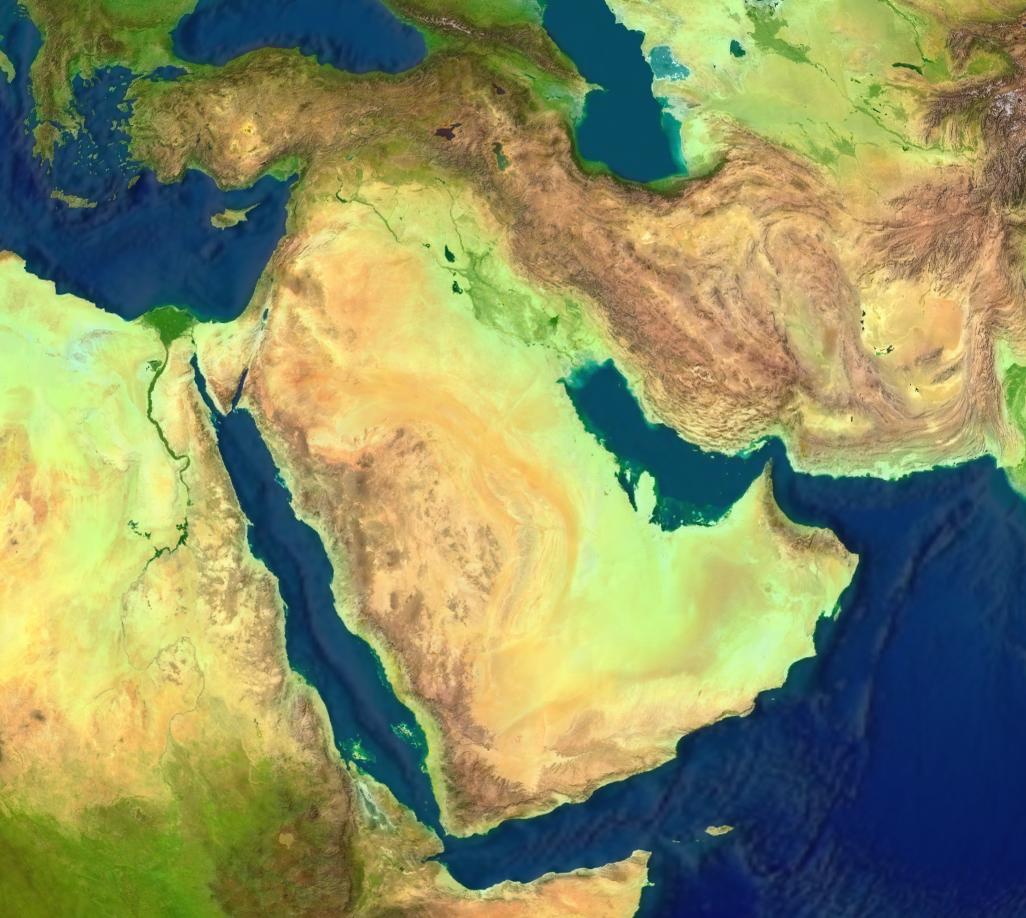
The hotspot where CWR are most concentrated is in the so-called 'Fertile Crescent', which is situated in the Middle East, arcing around the Arabian desert from Jordan, Palestine, Israel, Syria, Lebanon, Turkey and ending in Iraq and Iran.
Climate change, along with a steady rise in the human population is forecast to have a detrimental impact on crops that are grown for food. The wild relatives of crops, however, contain many useful traits such as drought tolerance, yield improvement, and resilience to pests and diseases. These wild species can be used by plant breeders to create stronger, more resilient crop varieties which will help to underpin future food security.
Now a comprehensive database of globally important CWR exists, thanks to this study. The inventory lists 173 crops and their 1667 priority wild relatives, along with their particular traits. For example, the crop wild relative of the wheat crop, Aegilops tauschii, is resistant to Hessian Fly which is pest of cereal crops; Saccharum arundinaceum is a relative of sugar cane and can survive very low temperatures, andPrunus ferganensis, the crop wild relative of peach, is tolerant to drought conditions. Globally, the highest concentration of CWR per unit area is found in Syria and Lebanon.
Research at Birmingham has shown that 12 per cent of CWRs are threatened with extinction and all are likely to be already suffering a loss of genetic diversity due to habitat loss and alteration, conflict, intensive agriculture, urbanisation, and mismanagement of the environment. However, until now, there has been no attempt to systematically conserve the diversity of this important global resource.
A new initiative led by the Food and Agriculture Organisation of the UN, with help from scientists at the University of Birmingham, will, for the first time, plan and implement effective conservation of these priority plant species in the countries where they are found. The Birmingham scientists are now working on a strategy to conserve CWRs by identifying and promoting the establishment of managed conservation sites in the wild, while taking samples and placing them in gene banks as a safety back up, where the genetic material can be kept for up to 300 years.
The team is currently negotiating with governments in the Fertile Crescent to highlight the plight of these species and to try to implement 'in situ' conservation in the hotspot areas.
Dr Nigel Maxted, lead investigator from the University of Birmingham's School of Biosciences, said: 'There has previously been no opportunity to systematically conserve and use CWR as there was a lack of clarity over their identities and distribution. By creating an inventory of globally important CWR we can discover which countries and regions are the richest in terms of priority CWR, and more efficiently plan and coordinate conservation efforts to ensure their survival.
'It is very important that we conserve these species in secure gene banks, but it is critical to conserve them in their natural habitat as they will continue to adapt to changes in the climate as well as threats from pests and diseases.'
'The global population is now 7 billion and by 2050 it will be 9 billion so it is now even more crucial that we conserve crop wild relatives as part of the wider need to address global food security issues.'
As well as the abundance of CWR in the Fertile Crescent, many CWR can be found in the UK including the wild relatives of sugarbeet, asparagus, raddish and wild garlic. The Birmingham team is now working with Natural England to identify an area where CWR can be conserved in their natural habitat in the UK.

Source:

http://www.sciencedaily.com/

Monday, September 29, 2014

'Most famous wheat gene' discovered, clears way for non-GMO breeding

Researchers have found 'the most famous wheat gene,' a reproductive traffic cop of sorts that can be used to transfer valuable genes from other plants to wheat. The discovery clears the way for breeders to develop wheat varieties with the disease- and pest-resistance traits of other grasses, using a legion of genetic tools that can reduce crop losses and pesticide use while foregoing the cost, regulatory hurdles and controversy of genetically modified organisms.
The discovery clears the way for breeders to develop wheat varieties with the disease- and pest-resistance traits of other grasses, using a legion of genetic tools that can reduce crop losses and pesticide use while foregoing the cost, regulatory hurdles and controversy of Genetically Modified Organisms, or GMOs.
"The real exciting part of this gene is that it has tremendous potential for application," said Kulvinder Gill, a WSU professor, who reports his findings in the journalProceedings of the National Academy of Sciences.
For some 35 million years, the wild ancestors of wheat routinely traded genes as they accidentally cross-bred with each other. But with the rise of agriculture and cultivated wheat 10,000 years ago, the plant's genetic structure changed. Instead of being diploid, with two sets of chromosomes like humans and most other living things, it became polyploid, with, in the case of bread wheat, seven sets of six related chromosomes.
Starting in 1958, just five years after the discovery of DNA's double-helix structure, researchers suspected that a specific gene controls the orderly pairing of wheat chromosomes during reproduction.
"If this gene was not present, there would be chaos in the nucleus," said Gill. "Six chromosomes would pair with each other, and sometimes five chromosomes would go to one cell and one to the other, resulting in a sterile plant. Because of this gene, wheat can be fertile. Without this gene, it would be more like sugar cane, where it is a mess in the nucleus and it can only be vegetatively propagated."
But the gene also prevents wheat from breeding with related ancestors that can contain a vast array of traits preferred by growers.
"This gene would not allow rye chromosomes to pair with wheat," said Gill. "We cannot get a single gene transfer into wheat as long as this gene is present."
Interest in the gene, called Ph1, has spawned scores of research papers, making it what Gill called, "the most famous wheat gene."
In 2006, British researchers writing in the journal Nature said they identified the gene.
"In this paper," said Gill, "we show that their gene is not the Ph1." Knowing their findings would be controversial, Gill and his colleagues spent a year repeating the experiments that led to their conclusion. They are now moving on.
"Now that we have the gene, we can actually use that gene sequence to temporarily silence the gene and make rye and other chromosomes pair with wheat and transfer genes by a natural method into wheat without calling it GMO," Gill said.
Their first effort involves transferring a gene from jointed goatgrass, a wild relative of wheat, to confer resistance to stripe rust. The fungus is considered the world's most economically damaging wheat pathogen, costing U.S. farmers alone some $500 million in lost productivity in 2012.
While facilitated by technology, the actual exchange of genetic material is similar to what has long taken place in nature, only faster. Incorporating the gene transfer into the overall breeding process, researchers can develop a new variety in five years, said Gill.
"If we let wheat evolve for another few millions years in the wild, maybe it will develop enough variation, but we don't have that kind of time," said Gill. "We need to solve this problem today."

Source:
http://www.sciencedaily.com/

Ramanjot Bhullar, Ragupathi Nagarajan, Harvinder Bennypaul, Gaganpreet K. Sidhu, Gaganjot Sidhu, Sachin Rustgi, Diter Von Wettstein, and Kulvinder S. Gill.Silencing of a metaphase I-specific gene results in a phenotype similar to that of the Pairing homeologous 1 (Ph1) gene mutations. PNAS, September 2014 DOI: 10.1073/pnas.1416241111

Saturday, July 26, 2014

"Quinoa" magazine on Flipboard

Quinoa
By Francisco Fuentes | Francisco Fuentes created a magazine on Flipboard. “Quinoa” is available with thousands of other magazines and all the news you care about. Download Flipboard for free and search for “Francisco Fuentes”.
Source: https://flipboard.com/section/quinoa-bOjVX9

Wednesday, June 25, 2014

BT crops: To plant or not to plant

Scientists, through genetic engineering, have taken the Bt gene responsible for the production of the insecticidal protein from the bacterium and incorporated it into the genome of plants. As such, the plants have a built-in mechanism of protection against targeted pests.
Aside from corn, Bt is also introduced in cotton, poplar, potato, rice, soybean, tomato, and more recently eggplant. “The protein produced by the plants does not get washed away, nor is it destroyed by sunlight,” said a briefing paper published by the Global Knowledge Center on Crop Biotechnology. “The plants are protected from the insects round the clock regardless of the situation.”
Since Bt crops are able to defend themselves against pests, the use of chemical insecticides is significantly reduced. A study conducted by the United States Department of Agriculture showed that 8.2 million pounds of pesticide active ingredients were eliminated by the farmers who planted Bt crops in 1998.
“Aside from being effective against insect pests, Bt crops have lower incidences of opportunistic microbial pathogens, such as the fungus Fusarium,” the briefing paper said. “This fungus produces mycotoxins that can be deadly to livestock and also cause cancer in humans.”
The briefing paper shares this information on how Bt operates: “When ingested by larva of the target insect, the Bt protein is activated in the gut’s alkaline condition and punctures the mid-gut leaving the insect unable to eat. The insect dies within a few days.”
It is for this reason why much research has been done to exploit the organism’s agronomic value. To date, there are more than 200 types of Bt proteins identified with varying degrees of toxicity to some insects.
The International Service for the Acquisition of Agri-Biotech
Applications (Isaaa) recently released a report which indicates more than 18 million farmers in 27 countries planted biotech crops in 2013, reflecting a five million, or three percent, increase in global biotech crop hectarage.
“Accumulated hectarage of biotech crops planted worldwide to-date stands at 1.6 billion hectares or 150 percent of the total landmass of China,” said Clive James, author of the report and ISAAA Founder and Chairman Emeritus.
In Asia, Bt corn is now planted not only in the Philippines but also in China, Indonesia, Japan, Malaysia, South Korea, and Taiwan. It is also grown in the United States, Canada, Switzerland, and in some parts of South America and Africa.
But there are some issues against Bt crops. Critics claim that Bt proteins could target predatory and other beneficial or harmless insects as well as the targeted pest. The University of California reported that the Bt proteins have been used as organic sprays for insect control in France since 1938 and the USA since 1958 with no ill effects on the environment reported.
“The specificity of Bt for its target insects is one of the characteristics that make it an ideal method of biological pest control,” the briefing paper explained. “The specificity rests on the fact that the toxicity of the Bt protein is receptor-mediated. This means that for an insect to be affected by the Bt protein, it must have specific receptor sites in its gut where the proteins can bind. Fortunately, humans and majority of beneficial insects do not have these receptors.”
A 1999 study, which appeared in Nature, showed that in a lab environment, pollen from Bt corn dusted onto milkweed could harm the monarch butterfly. Several groups later studied the phenomenon in both the field and the laboratory, resulting in a risk assessment that concluded that any risk posed by the corn to butterfly populations under real-world conditions was negligible, according to a study published in the Proceedings of Natural Academy Science.
A 2002 review of the scientific literature also concluded that “the commercial large-scale cultivation of current Bt–maize hybrids did not pose a significant risk to the monarch population” to quote a study entitled, “The case of the monarch butterfly: a verdict is returned,” which appeared in Trends Genet.
What about among human beings? The US Environment Protection Agency has reportedly administered toxicology assessments. Bt proteins have already been tested even at relatively higher dosages.
According to the Extension Toxicology Network (Extonet), a pesticide information project of several universities in the US, “no complaints were made after 18 humans ate one gram of commercial Bt preparation daily for five days, on alternate days… Humans also ate one gram per day for three consecutive days were not poisoned or infected.”
On tests conducted on dogs, guinea pigs, rats, fish, frogs, salamanders and birds, the Bt protein was found not to have any harmful effects. What was interesting about the study was that the no toxic effects were found on beneficial or predator insects, such as honeybees and lady beetles, Extonet reports.
The ISAAA claimed that Bt crops have benefitted food security, sustainability and the environment. “Between 1996 and 2012, biotech crops have made positive contributions through decreased production costs and increased productivity (estimated at 377 million tons) valued at US $117 billion,” it reported.
Its environmental benefits included: eliminating the need for 497 million kilograms of pesticides; reducing carbon dioxide emissions by 27 billion kilograms in 2012 alone (equivalent to removing 12 million cars from the road for one year); and conserving biodiversity by saving 123 million hectares of land from being placed in agricultural production during the period 1996 to 2012.
“Bt crops are an addition to our arsenal against plant pests,” the briefing paper concludes. “With an increasing population and decreasing arable land, it is necessary to exploit all options with as little compromise to produce more crops. When used side by side with proper agricultural practices, Bt insect resistance technology can bring many benefits to crops, farmers, and consumers alike.”

Source:

Monday, June 09, 2014

Vol 42, No 1 (2014): Notulae Botanicae Horti Agrobotanici Cluj-Napoca


Notulae Botanicae Horti Agrobotanici Cluj-Napoca

OPEN JOURNAL SYSTEMS
Vol 42, No 1 (2014)

Introduction pages PDF

Review Articles
Pharmacological Benefits of Herbal Formulations in the Management of Psoriasis vulgaris PDF
Andreea Nicoleta BOCA, Alexandru TATARU, Anca Dana BUZOIANU, Carlo PINCELLI, Carmen SOCACIU 1-8

Research Articles
Comparative HPLC-DAD-ESI(+)MS Fingerprint and Quantification of Phenolic and Flavonoid Composition of Aqueous Leaf Extracts of Cornus mas and Crataegus monogyna, in Relation to Their Cardiotonic Potential PDF
Marius BADALICA-PETRESCU, Simona DRAGAN, Floricuţa RANGA, Florinela FETEA, Carmen SOCACIU 9-18

Pumpkin Fruit Flour as a Source for Food Enrichment in Dietary Fiber PDF
Judita ČERNIAUSKIENĖ, Jurgita KULAITIENĖ, Honorata DANILČENKO, Elvyra JARIENĖ, Edita Juknevičienė, Edita JUKNEVIČIENĖ 19-23

Phenolic Profile of the Kernel of Selected Persian Walnut (Juglans regia L.) Cultivars PDF
Géza BUJDOSÓ, György VÉGVÁRI, Veronika HAJNAL, Gitta FICZEK, Magdolna TÓTH 24-29

Sensory Quality of ‘Cherry’ Tomatoes in Relation to 1-MCP Treatment and Storage Duration PDF
Marek GAJEWSKI, Katarzyna MAZUR, Jadwiga RADZANOWSKA, Katarzyna KOWALCZYK, Monika MARCINKOWSKA, Klaudyna RYL, Karolina KALOTA 30-35

Comparative Analysis of Mineral Elements and Essential Amino Acids Compositions in Juglans sigillata and J. regia Walnuts Kernels PDF
Meizhi ZHAI, Zhenyuan WANG, Dan WANG, Jing XU, Guanzhao SHI 36-42

Seasonal Variations in Total Antioxidant Capacity and Total Phenolics Content of Leaves ofPhyllostachys Taxa Using Different Extraction Methods PDF
András NEMÉNYI, Éva STEFANOVITSNÉ-BÁNYAI, Szonja Szimóna BURJÁN, Zoltán PÉK, Attila HEGEDŰS, Csaba GYURICZA, Lajos HELYES 43-50

Morphological and Molecular Characterization of Turkish Landraces of Cucumis melo L. PDF
Mehtap YILDIZ, Nursel AKGUL, Suat SENSOY 51-58

Genetic Diversity and Relationships in Local Varieties of Eggplant from Different Cultivar Groups as Assessed by Genomic SSR Markers PDF
Santiago VILANOVA, Maria HURTADO, Adriana CARDONA, Mariola PLAZAS, Francisco J. HERRAIZ, Pietro GRAMAZIO, Isabel ANDÚJAR, Jaime PROHENS 59-65

Genetic Similarity Assessment among Selected Naked Oat Cultivars and Breeding Lines Using ISSR Markers PDF
Edyta PACZOS-GRZEDA, Piotr Tomasz BEDNAREK, Aneta KOROLUK, Zygmunt NITA, Zofia BANASZAK, Andrzej BICHONSKI, Marek CHMIEL, Agnieszka GRADZIELEWSKA, Katarzyna NOWACZYK, Aleksandra SZOLKOWSKA, Krystyna WERWINSKA, Patrycja WIECZOREK 66-72

Exogenous Proline and Betaine-induced Upregulation of Glutathione Transferase and Glyoxalase I in Lentil (Lens culinaris) under Drought Stress PDF
Md. Rezwan MOLLA, M. Rawshan ALI, Mirza HASANUZZAMAN, Mahamud Hossain AL-MAMUN, Asgar AHMED, M.A.N NAZIM-UD-DOWLA, Md. Motiar ROHMAN 73-80

Development of SCAR Marker Related to Summer Stress Tolerance in Tall Fescue (Festuca arundinacea) PDF
Xiaojun YUAN, Zhenjing BAO, Yali HE, Qun CHEN, Gang WANG 81-87

Production of Flavonoids and Terpene Lactones from Optimized Ginkgo biloba Tissue Culture PDF PDF
Shuiyuan CHENG, Weiwei ZHANG, Nannan SUN, Feng XU, Linling LI, Yongling LIAO, Hua Cheng 88-93

Regulation of Root Length and Lateral Root Number in Trifoliate Orange Applied by Peroxide Hydrogen and Arbuscular Mycorrhizal Fungi PDF
Chun-Yan LIU, Yong-Ming HUANG, Ying-Ning ZOU, Qiang-Sheng WU 94-98

Phenotypic and Molecular Screening of Apple Genotypes to Woolly Apple Aphid Resistance PDF
Saeid ABU-ROMMAN, Mazen ATEYYAT 99-103

Effect of BA and GA3 on the Morphological Features of Stomata in the Leaf Epidermis of theZantedeschia albomaculata cv. ‘Albomaculata’ PDF
Beata JANOWSKA, Natalia MANSFELD, Roman ANDRZEJAK 104-108

In Vitro and in Planta Activity of Some Essential Oils against Venturia inaequalis (Cooke) G. Winter PDF
Géza NAGY, Tamás HOCHBAUM, Szilvia SÁROSI, Márta LADÁNYI 109-114

Elimination of Grapevine fleck virus by in vitro Chemotherapy PDF
Ionela Cătălina GUŢĂ, Elena-Cocuţa BUCIUMEANU, Emilia VIŞOIU 115-118

Photosynthesis-Involvement in Modulation of Ascorbate and Glutathione in Euterpe oleraceaPlants Exposed to Drought PDF
Maria Antonia Machado BARBOSA, Allan Klynger da Silva LOBATO, Thaís Soares PEREIRA, Gélia Dinah Monteiro VIANA, José Ricardo Santos BARBOSA, Kelly Nayara Nascimento COELHO, Leila Sobral SAMPAIO, Benedito Gomes dos SANTOS FILHO, Joaquim Albenísio Gomes SILVEIRA 119-127

Determination of Cyclotrichium niveum Essential Oil and Its Components at Different Altitudes PDF
Memet INAN 128-131

Effects of Arbuscular Mycorrhiza Fungi on Growth Characteristics of Dactylis glomerata L. under Drought Stress Conditions PDF
Apostolos P. KYRIAZOPOULOS, Michail ORFANOUDAKIS, Eleni M. ABRAHAM, Zoi M. M. PARISSI, Nikoleta SERAFIDOU 132-137

Effect of Zinc and Glomus intraradices on Control of Pythium deliense, Plant Growth Parameters and Nutrient Concentrations of Cucumber PDF
Zeliha KÜÇÜKYUMUK, Hülya ÖZGÖNEN, İbrahim ERDAL, Figen ERASLAN 138-142

The Simultaneous Effect of Water Supply and Genotype on Yield Quantity, Antioxidants Content and Composition of Processing Tomatoes PDF
Lajos HELYES, Andrea LUGASI, Hussein G. DAOOD, Zoltán PÉK 143-149

Effect of Preharvest Calcium Treatments on Sweet Cherry Fruit Quality PDF
Deniz EROGUL 150-153

Effects of Various Mixed Salt-Alkaline Stress Conditions on Seed Germination and Early Seedling Growth of Leymus chinensis from Songnen Grassland of China PDF
Jixiang LIN, Zhuolin LI, Yingnan WANG, Chunsheng MU 154-159

Physical Parameters and Chemical Composition of Fourteen Blackcurrant Cultivars (Ribes nigrum L.) PDF
Ireneusz Dariusz OCHMIAN, Agnieszka DOBROWOLSKA, Piotr CHEŁPIŃSKI 160-167

Effect of Low Frequency Magnetic Field (LFMF) on the Germination of Seeds and Selected Useful Characters of Onion (Allium cepa L.) PDF
Roman HOŁUBOWICZ, Leszek KUBISZ, Marlena GAUZA, Yilin TONG, Dorota HOJAN-JEZIERSKA 168-172

Comparative Studies of the Phytoextraction Capacity of Five Aquatic Plants in Heavy Metal Contaminated Water PDF
Erzsébet BUTA, Anamária TÖRÖK, Bilassé ZONGO, Maria CANTOR, Mihai BUTA, Cornelia MAJDIK 173-179

Growth and Reproductive Success under Saline Conditions of Three Plantago Species with Different Levels of Stress Tolerance PDF
Mohamad AL HASSAN, Andrea PACURAR, Alexandra GASPAR, Oscar VICENTE, Monica BOSCAIU 180-186

Evaluation of Drought Tolerance Indices for Selection of Confectionery Sunflower (Helianthus anuus L.) Landraces under Various Environmental Conditions PDF
Esmaeil GHOLINEZHAD, Reza DARVISHZADEH, Iraj BERNOUSI 187-201

The Effect of Zinc on Yield, Yield Components and Micronutrient Concentrations in the Seeds of Safflower Genotypes (Carthamus tinctorius L.) PDF
Zehra AYTAC, Nurdilek GULMEZOGLU, Zeynep SIREL, Inci TOLAY, Ayfer ALKAN TORUN 202-208

Dormancy-Breaking Requirements and Germination for Seeds of Ostrya carpinifolia Scop. PDF
Elias PIPINIS, Elias MILIOS, Olga MAVROKORDOPOULOU, Panagiotis LOZOS, Pavlos SMIRIS 209-213

Evaluation of Drought Tolerance in Safflower Genotypes Based on Drought Tolerance indices PDF
Marouf KHALILI, Alireza POUR-ABOUGHADAREH, Mohammad Reza NAGHAVI, Esmail MOHAMMAD-AMINI 214-218

Differential Response of Bean (Phaseolus vulgaris L.) Roots and Leaves to Salinity in Soil and Hydroponic Culture PDF
Duygu BAYRAM, Burcu SECKIN DINLER, Eda TASCI 219-226

Investigation of Correlation between Traits and Path Analysis of Confectionary Sunflower Genotypes PDF
Mehmet SINCIK, Abdurrahim Tanju GOKSOY 227-231

Influence of Ecological Conditions on Seeds Traits and Essential Oil Contents in Anise (Pimpinella anisum L.) PDF
Milica G ACIMOVIC, Jasna KORAC, Goran JACIMOVIC, Snezana OLJACA, Lana DJUKANOVIC, Vesna VUGA-JANJATOV 232-238

Alien Species of Lepidium in the Flora of Romania: Invasion History and Habitat Preference PDF
Culiţă SÎRBU, Adrian OPREA, Cristian Valeriu PATRICHE, Costel SAMUIL, Vasile VÎNTU 239-247

Combined Use of Green Manure and Farmyard Manure Allows Better Nutrition of Organic Lettuce PDF
Sevgi CALISKAN, Halit YETISIR, Sema KARANLIK 248-254

Multicriteria Analysis of the Effects of Field Burning Crop Residues PDF
Vasilica STAN, Gina FÎNTÎNERU, Mircea MIHALACHE 255-262

The Modelling Study for Potassium Fertilizer Requirements in Hazelnut (Corylus avellana L.) PDF
Nedim ÖZENÇ 263-269

Parasitoids and Parasitoids and Predators of Ips typographus (L.) in Unmanaged and Managed Spruce Forests in Natural Park Apuseni, Romaniapredators of Ips typographus (L.) in unmanaged and managed spruce forests in Natural Park Apuseni, Romania PDF
Ciprian George FORA, Constantin M. BANU, Ion CHISĂLIŢĂ, Mihaela M. MOATĂR, Ion OLTEAN 270-274

Xylem Phenology of Fagus sylvatica in Rarău Mountains (Eastern Carpathians, Romania) PDF
Anca SEMENIUC, Ionel POPA, Adrian I. TIMOFTE, Dan Marian GUREAN 275-279

Public Perception of Forestry Practices in Malaysia PDF
Jegatheswaran RATNASINGAM, Cristina VACALIE, Adriana F. SESTRAS, Florin IORAS 280-285

Potential of Second Crops of Oil Radish and White Mustard as Fall Grazing Pasture for German Mutton Merino Sheep PDF
Péter PÓTI, Ferenc PAJOR, Ákos BODNÁR, Károly PENKSZA, János TŐZSÉR, Csaba GYURICZA 286-288

Source:

Tuesday, June 03, 2014

New understanding as to how plants defend themselves against disease

A new understanding as to how plants defend themselves against some pathogens that cause crop diseases is proposed by researchers from the University of Hertfordshire to help scientists breed new, more successful disease-resistant agricultural crops. The new concept is called effector-triggered defence or ETD.
Breeding agricultural crops for resistance against disease pathogens is essential in the quest to secure global food production. However, despite efforts to control them, crop diseases still account for fifteen percent of the losses in the world’s food production. Farmers spray their crops with fungicides to control these plant diseases, but their effectiveness is limited as disease pathogens mutate to become insensitive to the fungicides.
By exploiting new molecular and genetic insights, the research, done in collaboration with Pierre de Wit from Wageningen Agricultural University in the Netherlands, provides a better understanding of the defence system of crop plants against the damaging pathogens that grow in the spaces between plant cells. This provides new opportunities to improve the effectiveness of breeding crops for resistance against disease.
Dr Henrik Stotz, Marie Curie Fellow and lead researcher from the School of Life and Medical Sciences at the University of Hertfordshire, said: “As traditional methods of controlling crop disease become less effective, the need to breed new strains of crops with an inbuilt resistance to the disease pathogens increases.
“In the same way that humans have developed immune responses against human disease pathogens, crops can be bred for resistance against disease pathogens, but we need to improve our understanding of effective resistance mechanisms within plants. Our research enhances the traditional understanding of the plant defence system and describes a new concept describing how plants protect themselves against the pathogens that grow in the space outside plant cells (the apoplast) – a new concept called effector-triggered defence or ETD.”
Plant defence systems consist of interconnected tiers of receptors, which are found both outside and inside the plant cells. Both sets of receptors sense the invasive pathogen and respond to its intrusion. The two receptor systems have different classesof plant receptor proteins to detect different types of pathogen molecules.
The current understanding of plant defence is that plants, using these receptors, have two forms of defence. Pattern-triggered immunity (PTI) is the first line of defence, operating soon after the pathogen has landed on the plant surface. Before the pathogen has entered the plant, its presence of specific pathogen molecules orpatterns is recognised by the host plant’s immune systems. This then activates immune responses to stop the pathogen and so protect the plant from infection.
The second line of defence is referred to as effector-triggered immunity (ETI), this is based on the detection of disease pathogens by the plant’s genes – there is a relationship between the gene in the host plant and the gene in the pathogen. The concept of ETI was developed to describe defence against pathogens that enter into plant cells (e.g. wheat rusts and mildews, potato late blight pathogens) and fits their defence mechanisms well. The presence of the pathogen in the cell activates specific proteins that cause death of both the plant cell and the invading pathogen.
Dr Stotz continued: “This concept of plant ETI does not really explain the second line of defence in the interaction of plant hosts protecting themselves against extracellular fungal pathogens – i.e. those foliar fungal pathogens that get into the leaf of the plant to exploit the space between its cells, known as the apoplast, to retrieve nutrients from the plant. These include the damaging pathogens that cause septoria leaf blotch on wheat, barley leaf blotch, apple scab and light leaf spot on oilseed rape. The ETI concept does not hold for defence against those pathogens that go into the leaf but not into the cells.
“Through our research we discovered that defence against extracellular pathogens (ETD) involves different plant genes from those involved in the defence against intracellular pathogens. We identified some specific resistance genes that code for receptor-like proteis (RLPs) and described how they operated against the pathogens. We feel immunity is too strong a term for this new defence mechanism because these extracellular pathogens can survive and even sexually reproduce on resistant hosts, and so we refer to it as ‘defence’.”
Professor Bruce Fitt, professor of plant pathology at the University of Hertfordshire, added: “This new understanding of plant defence through ETD suggests different operations of specific resistance genes which will help us to be more successful in breeding new strains of crops for resistance. This is essential in the battle for global food security to protect the world’s future food sources.”

Source:

Tuesday, January 21, 2014

Breeding quinoa (Chenopodium quinoa Willd.): potential and perspectives

Quinoa (Chenopodium quinoa Willd.) originated in the Andean region of South America; this species is associated with exceptional grain nutritional quality and is highly valued for its ability to tolerate abiotic stresses. However, its introduction outside the Andes has yet to take off on a large scale. In the Andes, quinoa has until recently been marginally grown by small-scale Andean farmers, leading to minor interest in the crop from urban consumers and the industry. Quinoa breeding programs were not initiated until the 1960s in the Andes, and elsewhere from the 1970s onwards. New molecular tools available for the existing quinoa breeding programs, which are critically examined in this review, will enable us to tackle the limitations of allotetraploidy and genetic specificities. The recent progress, together with the declaration of “The International Year of the Quinoa” by the Food and Agriculture Organization of the United Nations, anticipates a bright future for this ancient species.

Source:
Zurita-Silva A., Fuentes F., Zamora P., Jacobsen S. E., Schwember A. R. (2014) Breeding quinoa (Chenopodium quinoa Willd.): perspectives and potential. Molecular Breeding. DOI: 10.1007/s11032-014-0023-5

Saturday, September 28, 2013

Quinoa: Botany, Production and Uses

Main Description
Quinoa is an invaluable crop, highlighted by the Food and Agriculture Organization of the United Nations (FAO) as one of the world's main crops for future food security. The first comprehensive review of quinoa, this book includes four sections covering the history of the crop, phylogeny and systematics, botany and agrotechnology, and the qualitative aspects, economics and marketing of quinoa, making it a vital resource for students and researchers of crop science.

By A Bhargava, Amity University Uttar Pradesh [Lucknow Campus], India, S Srivastava, Amity University Uttar Pradesh [Lucknow Campus], India
September 2013 / Hardback / 264 Pages / 9781780642260

Main Contents
Preface
PART I – Introduction and History
    1. Introduction
    2. Historical Perspectives and Domestication
    3. Distribution
PART II – Phylogeny and Systematics
    4. Taxonomy
    5. Cytology and Genome Size
PART III – Botany and Agrotechnology
    6. Botany
    7. Crop Production and Management
    8. Stress Tolerance
    9. Diseases and Pests
    10. Breeding
    11. Molecular Studies
PART IV – Qualitative Aspects, Economics and Marketing
    12. Chemistry
    13. Saponins
    14. Transparency from Production to Consumption: New Challenges for the Quinoa Market Chain

Source:

Wednesday, May 22, 2013

Plant Breeding News


EDITION 243
May 2013

An Electronic Newsletter of Applied Plant Breeding

Saturday, March 30, 2013

Plant Breeding News


EDITION 242
March 2013

An Electronic Newsletter of Applied Plant Breeding

Wednesday, February 20, 2013

Plant Breeding News


EDITION 241
January 2013

An Electronic Newsletter of Applied Plant Breeding

Sunday, December 23, 2012

Plant Breeding News


EDITION 240
November 2012

An Electronic Newsletter of Applied Plant Breeding
PBN_240_Nov_2012

Monday, December 03, 2012

Watermelon Genome Decoded: Scientists Find Clues to Disease Resistant Watermelons

Are juicier, sweeter, more disease-resistant watermelons on the way? An international consortium of more than 60 scientists from the United States, China, and Europe has published the genome sequence of watermelon (Citrullus lanatus) -- information that could dramatically accelerate watermelon breeding toward production of a more nutritious, tastier and more resistant fruit. The watermelon genome sequence was published in the Nov. 25 online version of the journal Nature Genetics.

The researchers discovered that a large portion of disease resistance genes were lost in the domestication of watermelon. With the high-quality watermelon sequence now complete, it is hoped that breeders can now use the information to recover some of these natural disease defenses.
The authors reported that the genome of the domesticated watermelon contained 23,440 genes, roughly the same number of genes as in humans. The group compared the genomes of 20 different watermelons and developed a first-generation genetic variation map for watermelon. This information allowed them to identify genomic regions that have been under human selection, including those associated with fruit color, taste and size.
"Watermelons are an important cash crop and among the top five most consumed fresh fruits; however, cultivated watermelons have a very narrow genetic base, which presents a major bottleneck to its breeding. Decoding the complete genome of the watermelon and resequencing watermelons from different subspecies provided a wealth of information and toolkits to facilitate research and breeding," said Zhangjun Fei, a scientist at the Boyce Thompson Institute for Plant Research at Cornell University, and one of the leaders of this project.
Fei worked with BTI scientists on different aspects of the research, including James Giovannoni, to generate the gene expression data through RNA-sequencing and Lukas Mueller to provide additional analysis to confirm the quality of the genome assembly. Fei also collaborated with Amnon Levi, a research geneticist at the USDA-ARS, U.S. Vegetable Laboratory, Charleston, S.C., on genetic mapping and identifying candidate genes that might be useful to enhance disease resistance in watermelon. The genome sequences of the watermelon are publicly available at the Cucurbit Genomics Database, which is created and maintained by Fei's group.
Believed to have originated in Africa, watermelons were cultivated by Egyptians more than 4,000 years ago, where the fruit was a source of water in dry, desert conditions. They are now consumed throughout the world -- with over 400 varieties in global commercial production. China leads in global production of the fruit, and the United States ranks fourth with more than 40 states involved in the industry. Despite being over 90 percent water, watermelons do contain important nutrients such as vitamins A and C, and lycopene, a compound that gives some fruits and vegetables their red color and appears to reduce the risk of certain types of cancer. Watermelon is also a natural source of citrulline, a non-essential amino acid with various health and athletic performance benefits.

Source:
Shaogui Guo, Jianguo Zhang, Honghe Sun, Jerome Salse, William J Lucas, Haiying Zhang, Yi Zheng, Linyong Mao, Yi Ren, Zhiwen Wang, Jiumeng Min, Xiaosen Guo, Florent Murat, Byung-Kook Ham, Zhaoliang Zhang, Shan Gao, Mingyun Huang, Yimin Xu, Silin Zhong, Aureliano Bombarely, Lukas A Mueller, Hong Zhao, Hongju He, Yan Zhang, Zhonghua Zhang, Sanwen Huang, Tao Tan, Erli Pang, Kui Lin, Qun Hu, Hanhui Kuang, Peixiang Ni, Bo Wang, Jingan Liu, Qinghe Kou, Wenju Hou, Xiaohua Zou, Jiao Jiang, Guoyi Gong, Kathrin Klee, Heiko Schoof, Ying Huang, Xuesong Hu, Shanshan Dong, Dequan Liang, Juan Wang, Kui Wu, Yang Xia, Xiang Zhao, Zequn Zheng, Miao Xing, Xinming Liang, Bangqing Huang, Tian Lv, Junyi Wang, Ye Yin, Hongping Yi, Ruiqiang Li, Mingzhu Wu, Amnon Levi, Xingping Zhang, James J Giovannoni, Jun Wang, Yunfu Li, Zhangjun Fei, Yong Xu. The draft genome of watermelon (Citrullus lanatus) and resequencing of 20 diverse accessions. Nature Genetics, 2012; DOI:10.1038/ng.2470

Cornell University. "Watermelon genome decoded: Scientists find clues to disease resistant watermelons." ScienceDaily, 26 Nov. 2012. Web. 1 Dec. 2012.

Monday, October 08, 2012

Plant Breeding News


EDITION 239
September 2012

An Electronic Newsletter of Applied Plant Breeding

PB_News_239_Sept_2012

Monday, September 24, 2012

Salk study finds stress triggers widespread epigenetic changes that aid in disease resistance

It was long thought that methylation, a crucial part of normal organism development, was a static modification of DNA that could not be altered by environmental conditions. New findings by researchers at the Salk Institute for Biological Studies, however, suggest that the DNA of organisms exposed to stress undergo changes in DNA methylation patterns that alter how genes are regulated.
The scientists found that exposure to a pathogenic bacteria caused widespread changes in a plant's epigenetic code, an extra layer of biochemical instructions in DNA that help control gene expression. The epigenetic changes were linked to the activity of genes responsible for coordinating a plant's response to stress, suggesting that the epigenome may help organisms develop resistance to pathogens and other environmental stressors.
The Salk researchers infected two lines of plants with a bacteria to determine whether methylation, a type of epigenetic chemical modification to DNA, plays a role in a plant's response to stress. The leaf on the left, taken from a normal plant five days after infection, shows disease systems. The leaf on the right, taken from a mutant plant incapable of methylation, shows no signs of disease, suggesting that methylation functions in stress responses.
"This means the epigenome may not just be a static set of instructions, but also a way of rewriting those instructions based on experience," says Joseph Ecker, a professor in Salk's Genomic Analysis Laboratory, who led the research team. "Our findings, combined with other researchers' findings, build the case that life experiences leave an imprint on our DNA."
In the study, published August 7 in the Proceedings of the National Academy of Sciences, Ecker and his colleagues studied how DNA methylation regulates the immune system of the Arabidopsis thaliana plant. Methylation is a biochemical process that, among other things, suppresses the expression of "jumping genes" called transposons that have been incorporated into the genome over time. Using genome-wide sequencing technologies, the researchers found a wide range of methylation changes in the plant's response to a bacterial infection and performed a variety of analyses to determine how these methylation changes alter gene expression.
"From previous studies, we know that the expression of a few genes is coupled to methylation changes in response to stress," says first author Robert Dowen, who worked on the project at Salk with Ecker and is now with Massachusetts General Hospital in Boston. "Our findings, however, show that exposing a plant to stress triggers a multitude of methylation changes that help the plant defend against invading pathogens."
Plants use a sophisticated series of defense mechanisms to restrict the growth of parasitic bacteria upon infection by stimulating various hormonal signals that trigger alterations in gene expression networks. The Salk findings and other recent studies suggest that these cellular defense responses engage the DNA methylation machinery to impart control over gene expression networks. Epigenetic changes in the genetic material, including changes in DNA methylation patterns and modifications to histones (proteins which play a key role in gene regulation), can alter the expression of a gene without changing its DNA sequence. In addition, molecules called small interfering RNAs (siRNAs) are intimately connected with DNA methylation, especially at the jumping genes, where these siRNAs direct the methylation process. Surprisingly, the researchers found that the levels of these siRNAs also change during infection at specific transposons and correspond to activation of these mobile DNA fragments. These findings illustrate the dynamic nature of the epigenome in response to stress.
The Salk findings may have broad implications for agriculture, including engineering the DNA methylation patterns of plants to generate pathogen-resistant crops and minimize pesticide exposure. These application technologies are of intense interest, as more than 30 to 40 percent of annual crops are lost to pathogens each year at a cost of some $500 billion.
A recent study published in Plant Physiology suggests that memory of environmental conditions may be passed transgenerationally, as plant defenses are primed in the progeny of plants whose parents have already been exposed to pathogens. "While this phenomenon is poorly understood, it is of wide interest and is being intensively studied in the field," says Dowen. "We think our findings may provide a framework for directly testing whether the methylation changes that we observed are passed to the progeny or whether a similar mechanism may be occurring in human cells."


Source:

Wednesday, September 19, 2012

High and Dry: Why genetic engineering is not solving agriculture’s drought problem in a thirsty world

Executive Summary
Droughts—periods of abnormally dry weather—can be devastating to farmers and food production. The historic Texas drought of 2011 caused a record $5.2 billion in agricultural losses, for example, making it the most costly drought on record. Similar crippling droughts have recently occurred around the world, and climate scientists expect the frequency and severity of droughts to increase, sometimes unpredictably, in some regions as the global climate heats up. Although extreme droughts receive the most attention, mild to moderate droughts actually affect more acreage, and also cause substantial crop losses.

Agriculture accounts for the lion’s share of all water extracted from rivers and wells—about 70 percent—setting up conflicts between food production and other uses. And beyond competition for water among various human needs are the requirements of aquatic organisms, such as game fish prized by sportspeople, who bring dollars to local economies. Finding ways to protect food production and farmers’ livelihoods from devastation by drought—and also to reduce agriculture’s need for water—is therefore vital.
The Union of Concerned Scientists (UCS) analyzed the prospects for improving crops in ways that can reduce water use overall, and losses during dry periods. We focused on crop genetic engineering—the lab-based manipulation of genes from any source to alter plants. Practitioners and proponents have touted the potential of genetic engineering to address drought. Biotech companies, including Monsanto, have promised to deliver new crop varieties engineered with novel genes that enable them to thrive under drought conditions.
The biotech industry has also suggested that genetic engineering can reduce demand for water from crops even under normal conditions—resulting in “more crop per drop.” However, we found little evidence of progress in making crops more water efficient. We also found that the overall prospects for genetic engineering to significantly address agriculture’s drought and water-use challenges are modest at best
Genetic Engineering offers modest results…at high cost
The biotech industry has so far received regulatory approval—in December 2011—for only one crop engineered for drought tolerance. Available data show that Monsanto’s so-called DroughtGard corn produces only modest results. And according to data supplied by Monsanto and analysis by the U.S. Department of Agriculture (USDA), the variety does so under only moderate drought conditions. In fact, despite what the industry may have hoped, this product—and this technology—are not a panacea for drought.
Drought presents a particular challenge for genetic engineering because it can take many forms. Droughts vary in their severity and their timing in relation to crop growth. Related factors such as soil quality affect the ability of crops to withstand drought. These complications make it unlikely that any single approach or gene used to make a genetically engineered (GE) crop will be useful in all—or even most—types of drought. What’s more, many genes control drought tolerance in plants—a particular challenge for genetic engineering, which so far can manipulate only a few genes at a time.Evidence is also scant that the technology will help crops and farmers use water more efficiently in the foreseeable future. Very few experimental GE crops have been designed to use water more efficiently, and none are approaching commercialization.
In an era of reduced government spending, the cost-effectiveness of different technologies for improving agriculture—often supported by public research funding—is important. We found that although genetic engineering is beginning to have some success in enhancing the drought tolerance of crops such as corn, other technologies, such as classical and newer forms of breeding, continue to be more effective, at lower cost.
Improved farming practices are also likely to be more effective in enhancing the ability of crops to withstand drought. Crop management practices complement genetic approaches such as breeding and genetic engineering, and should receive more public support in the form of government research and incentives. An excessive focus on genetic engineering at the expense of other approaches risks leaving farmers and the public high and dry when it comes to ensuring that the United States and other nations can produce enough food, and have enough clean freshwater, to meet everyone’s needs.

Major findings:
To produce this report, we analyzed scientific studies on GE drought tolerance and crop breeding, and the USDA’s database on field trials of drought-tolerant GE crops. We also reviewed Monsanto’s 2009 petition for approval of DroughtGard, and the USDA’s environmental assessment based on that petition.
These sources showed that scientists engineered several types of genes, mostly from plants, for drought tolerance in the late 1990s and early 2000s. By the middle of that decade, researchers were using drought-specific gene switches, called promoters, to control when and how strongly the engineered genes are turned on.

Other findings:
• The annual number of USDA-regulated field trials of crops engineered for drought tolerance remained below 20 from 1998 to 2003. That number spiked to 82 in 2005, and remained between 82 and 113 for seven years, including 90 trials as of late 2011.
• Developing a new GE trait typically takes about 10 to 15 years, including several years prior to field trials. Given the surge in field trials beginning in 2005, several drought-tolerance genes should be nearing approval and commercialization, if these crops have proved effective and reliable in field trials. However, as noted, the USDA has approved only one GE drought-tolerance gene and crop variety for commercial use, and no others have been submitted for approval.
• Monsanto’s DroughtGard corn contains a gene called cspB. According to the USDA’s environmental assessment and available data, cspB corn is not expected to be of practical value in severe or extreme drought.
• Monsanto’s gene will confer only modest protection against moderate drought—about 6 percent more than non-engineered varieties used in Monsanto’s test plots five or six years ago. This outcome, based on only two years of field trials with widely varying results, may not accurately predict the level of drought tolerance once the product is grown more widely.
• By comparison, classical breeding techniques and improved farming practices have increased drought tolerance in U.S. corn by an estimated 1 percent per year over the
past several decades, according to one recent study (due to the challenges of measuring drought tolerance, this value should be considered a rough estimate).
• That means traditional methods of improving drought tolerance may have been two to three times as effective as genetic engineering, considering the 10 to 15 years typically required to produce a genetically engineered crop. If traditional approaches have improved corn’s drought tolerance by just 0.3 percent to 0.4 percent per year, they have provided as much extra drought protection as Monsanto’s GE corn over the period required to develop it.
• Farmers are expected to plant cspB on only about 15 percent of corn acres in the United States. If this corn reduces the yield normally lost during drought by 6 percent on 15 percent of corn acres, it would increase corn productivity nationwide by about 1 percent. That improvement is about the same as the increase in drought tolerance in a single typical year achieved through conventional means, as determined by the study noted above, and only about half of the nearly 2 percent overall annual yield increase of corn in the United States.
• Although data are limited, Monsanto’s cspB corn does not appear to be superior to several recent classically bred varieties of drought-tolerant corn.
• Although Monsanto has said it has a goal of getting “more crop per drop,” its cspB corn does not appear to have improved water use efficiency (WUE): the ability of a crop to use less water to achieve normal yields. The company has not supplied any data measuring water use by cspB corn that would suggest that it has improved WUE. Drought-tolerant crops typically do not require less water to produce a normal amount of food or fiber.
• In all, the USDA has approved only nine field trials designed to evaluate the WUE of several different engineered crops since 1990. This strongly suggests that improved WUE—independent of drought tolerance—is not a serious goal of the biotech industry.
• Several food and feed crops, such as sorghum or pearl millet, are naturally more drought tolerant than corn. These crops are often less productive than crops more familiar in the United States—probably partly because they have received more limited attention from crop breeders. Many have untapped potential for improved yields and other desirable traits, suggesting opportunities to use them more widely in dry regions around the world.

The challenges of enabling crops to withstand drought
In contrast to other GE crops now on the market, such as insect-resistant and herbicide-tolerant crops, drought tolerance requires the interaction of many genes. And genetic engineering can manipulate only a few genes at a time.
Some individual genes can affect genetically complex traits such as drought tolerance. However, even if genetic engineering can improve the drought tolerance of crops somewhat, it may not be enoughsubstantially reduce crop losses in the real world, where drought can vary in severity and duration. Any given engineered gene is likely to address only some types of drought, and then only to a limited extent.
And genetic approaches—whether genetic engineering or traditional breeding—are unlikely to substantially mitigate losses from severe or extreme droughts in the foreseeable future. That is because traits that provide substantial tolerance under extreme drought greatly reduce plant growth rates, limiting crop yields.
Yet severe to extreme drought is a significant piece of the drought problem farmers are facing. According to the National Climatic Data Center, severe to extreme drought affected about 23 percent of the contiguous United States in October 2011.
Furthermore, genes involved in drought tolerance often interact in complex and unexpected ways to alter more than one trait. Geneticists call this phenomenon pleiotropy. It can mean that engineered drought-tolerance genes produce additional, undesirable effects on crop growth.
Scientists can reduce harmful pleiotropy by enabling engineered genes to turn on only during drought. However, because droughts are often prolonged, this approach is unlikely to eliminate these harmful effects. Limited field trials and greenhouse tests of GE drought-tolerant crops could miss such effects, which could arise after commercialization.

The uncertain market for GE drought-tolerant crops
The number of GE drought-tolerant crop varieties that appear on the market over the next five years should indicate whether the technology, at this stage of its development, can substantially improve this trait. The stalled number of GE field trials for drought-tolerant varieties since 2005 suggests that the pace of discovery of drought-tolerant genes may have slowed, although other explanations are possible.
Several obstacles may limit the commercial success of Monsanto’s cspB corn. First, DroughtGard is likely to face competition from varieties of drought-tolerant corn produced through less expensive breeding methods. Markets for cspB corn and other drought-tolerant varieties will also depend on their other traits, such as overall yield and pest resistance. On the other hand, cross-licensing of the cspB trait by other companies, as has occurred with previous engineered genes, could expand its market by reducing competition from other varieties.
Another challenge for cspB corn is that farmers buy their seeds well before they plant. Because drought is not reliably predictable, many farmers may not want to pay the higher price of DroughtGard seeds just in case drought occurs. This may restrict planting of cspB corn mainly to areas where moderate drought is frequent, such as the western regions of the Corn Belt, which account for about 15 percent of U.S. corn acres.
Herbicide-tolerant or insect-resistant crops can save farmers time and money by reducing chemical pesticide applications, despite higher initial seed costs. However, these factors are unlikely to occur with GE drought-tolerant corn, and are therefore unlikely to drive its sales. For all these reasons, the markets for DroughtGard corn, and any other engineered drought tolerant crops, are uncertain.

Recommendations
Given the status of R&D on GE drought tolerance and challenging questions about its prospects, UCS recommends that:
• Congress and the USDA should substantially increase support for public crop-breeding programs to improve drought tolerance. Because large seed companies
focus mainly on engineered crops, this would give farmers better access to non-GE drought-tolerant varieties.
• Congress and the USDA should use conservation programs funded under the federal Farm Bill to expand the use of available methods for improving drought tolerance and WUE. These include the use of water-conserving irrigation equipment, which may require considerable investment on the part of farmers, and farming methods that increase soil organic matter, which farmers must consistently use over several years to see substantial benefits. The Farm Bill can offer incentives or subsidies to help farmers at risk of drought adopt such practices
• The USDA and public universities should increase research devoted to finding better ways to store and conserve soil, groundwater, and surface water, and better farming methods to withstand drought.
• Public and private research institutions should devote more funding and effort to crops that are important in drought-prone regions in the Southern Hemisphere. These crops, which include sorghum, pearl millet, cassava, and cowpeas, are inherently more drought-tolerant than crops familiar in the Northern Hemisphere.
• Researchers at the USDA and public universities should carefully monitor the efficacy and possible undesirable effects of cspB corn. Such monitoring is important because this variety is the first GE commercial drought-tolerant crop, and the resulting information would enhance our understanding of GE drought tolerance. Similar monitoring should occur for any other GE drought-tolerant crops.
• The USDA and public universities should expand their research on using plant breeding to improve water use efficiency—a vital concern that has not attracted major efforts from the biotechnology industry. The public sector should also invest in improving water-saving irrigation methods and the water-holding capacity of soil, reducing water loss from soil, and developing better water storage facilities.


High and Dry Report

Source:
UCS website http://www.ucsusa.org 
Tuesday, September 18, 2012

Plant Breeding News


EDITION 238
August 2012

An Electronic Newsletter of Applied Plant Breeding

PB News 238 Aug 12

Sunday, August 19, 2012

Annals of Botany: Up and down: stamen movements in Ruta graveolens (Rutaceae) enhance both outcrossing and delayed selfing Connecting you with plant scientists on Google+

We’re adding a couple of things for Google+ users from our page. They both tackle a problem that particularly affects new users, that Google+ can look a bit empty.
The first is a Botanic Gardens circle. This is a collection of all the botanic gardens we’ve found using Google+. Some accounts are more active than others, but it should give you a steady drip of plant-related posts into your stream.
The other is being set up at the moment. It’s a professional botanist / plant scientist circle. This is a way for new people to connect with others already on site. If we update it regularly then it should be a useful way for people to get their posts noticed by others in similar fields. It’s not going to be as tightly focussed on plant science as the Botanic Gardens circle, because plant scientists are just as likely as anyone else to post videos of kittens. If you do post about a conference or job opportunity then by being in this circle you’re more likely to have someone with an interest read it.
To join the botanist / plant scientist circle you’ll need to be on Google+, following our page and then click on the +1 button. If you’re not following us we can’t add you to the circle for privacy reasons. Or to put it another way, would you really want companies highlighting you without your permission?

Source:
http://aobblog.com

Saturday, August 18, 2012

Annals of Botany: Cytotype distribution at a diploid-hexaploid contact zone in Aster amellus (Asteraceae) Plantwise knowledge bank of crop pests & diseases

Release of the Plantwise Knowledge Bank, the open-access information resource from CABI covering crop pests and diseases.
Plantwise is a global programme to improve food security, alleviate poverty and improve livelihoods. Plantwise helps developing countries establish a network of plant clinics run by CABI trained ‘plant doctors’, where farmers can bring crops afflicted by pests or disease.
With diagnostic tools, treatment advice and pest distribution information, the Knowledge Bank was designed to support those involved in plant health in developing countries, especially plant doctors. However, as this information is of value to a wide range of users we also invite all working in plant health across the world to access the resource.
The Knowledge Bank contains a range of features, all of which can be filtered by country, including:
·         Interactive pest and disease distribution maps
·         Thousands of fact sheets and data sheets on plants and their pests
·         Diagnostic tools
·         New pest alerts
·         The latest news on plant health from around the world
The Knowledge Bank is central to the Plantwise programme, providing truly global information support. From university academics, to smallholder farmers, the knowledge provided will benefit the entire plant health community.
See on www.plantwise.org

Source:
http://aobblog.com

Sunday, August 12, 2012

Effect of external stress on density and size of glandular trichomes in full-grown Artemisia annua, the source of anti-malarial artemisinin

Glandular trichomes (GT) on Artemisia annua produce and store the anti-malarial compound artemisinin (AN) and other secondary metabolites (SM) that have several pharmaceutical and industrial uses. This paper investigates the spatial and temporal distribution of GT on leaves and tests the hypotheses that environmental stress influences the size and density of GT.

Source:
http://aobblog.com